A meat thermometer is an indispensable kitchen tool that ensures food safety and perfect doneness by accurately measuring the internal temperature of meats. It eliminates guesswork, preventing both undercooked, potentially hazardous food and overcooked, dry results. Using a meat thermometer consistently helps home cooks achieve precise culinary outcomes, preserving juiciness and flavor in every dish.
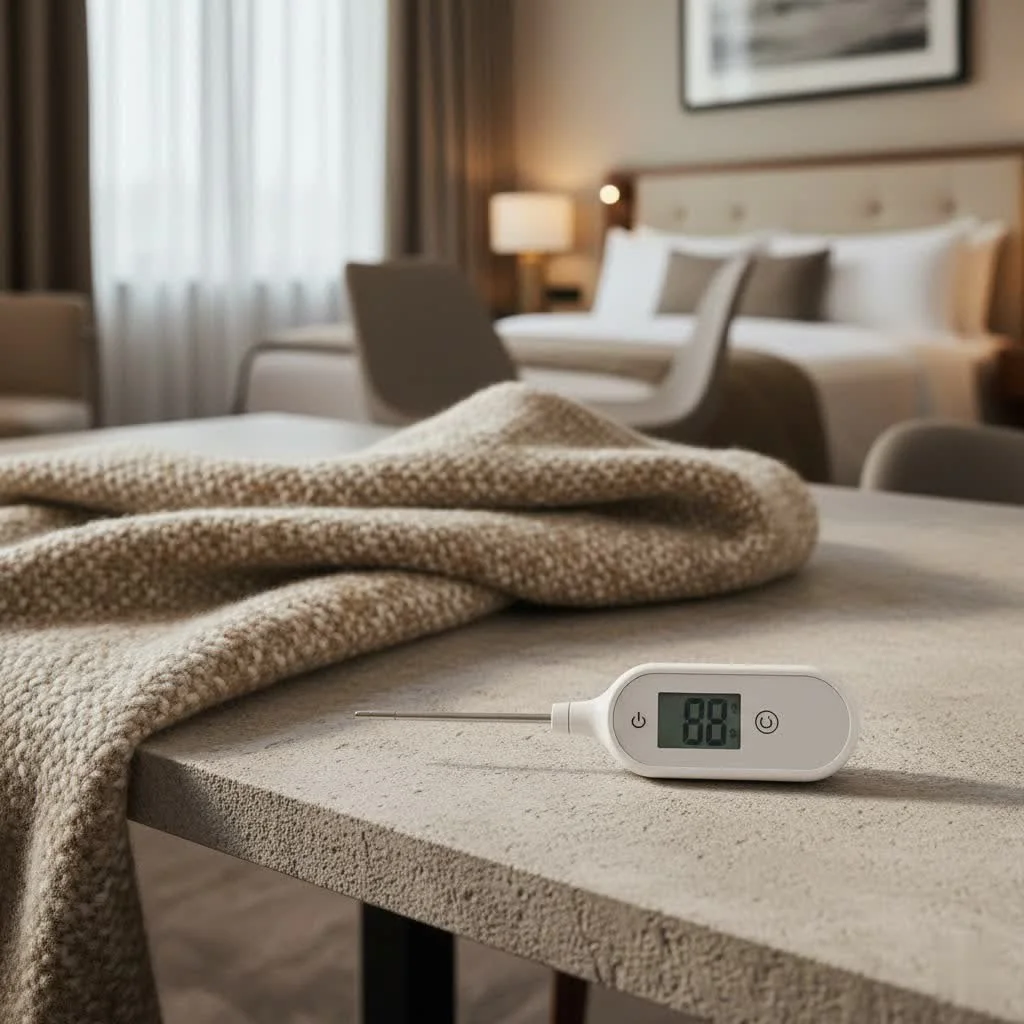
Why a Meat Thermometer is Your Kitchen’s Best Friend
Think of your meat thermometer as the ultimate assurance policy for your culinary creations. It takes the guesswork out of cooking, replacing it with reliable, scientific accuracy.
Safety First, Always
Undercooked meats can harbor harmful bacteria like Salmonella and E. coli, leading to foodborne illnesses. A meat thermometer is the only reliable way to confirm that your food has reached the minimum internal temperature required to destroy these pathogens, keeping you and your loved ones safe. You can’t rely on color or clear juices alone; internal temperature is the ultimate indicator.
Perfect Doneness, Every Time
Whether you crave a perfectly seared medium-rare steak or a fully cooked yet succulent chicken, achieving your desired doneness is crucial. Overcooking can lead to dry, tough, and flavorless results, a tragedy no home cook wants to endure. Your meat thermometer empowers you to pull your food from the heat at precisely the right moment, preserving its natural juices and tenderness.
Preserve Juiciness and Flavor
When you cook by guesswork, you often overcook “just to be safe,” sacrificing moisture and taste. With a meat thermometer, you hit that sweet spot, ensuring your roasts are juicy, your poultry is moist, and your chops are tender. It’s about letting the meat speak for itself, cooked to its absolute best.
Decoding the Types of Meat Thermometers
The world of meat thermometers offers a variety of tools, each suited for different cooking styles and preferences. Understanding their differences will help you choose the best meat thermometer for your kitchen.
Instant-Read Thermometers: Speed and Precision
These are perhaps the most popular type of meat thermometer. Available in both digital and analog versions, instant-read thermometers provide a quick temperature reading in a matter of seconds. They are ideal for quick checks on thinner cuts of meat, grilled items, or when you need to confirm the temperature of a roast before pulling it from the oven. The key is to insert the probe, wait for the reading, and then remove it; they are not designed to be left in food during the entire cooking process.
Leave-In Probe Thermometers: Continuous Monitoring
For larger cuts of meat, roasts, or anything that requires extended cooking times in an oven, grill, or smoker, a leave-in probe meat thermometer is a major upgrade. These typically consist of a probe that remains in the meat throughout cooking, connected by a heat-resistant cord to an external display. Wireless or smart versions can even send real-time temperature updates and alerts directly to your phone, offering unparalleled convenience for low-and-slow cooking or when you’re entertaining guests.
Dial Oven-Safe Thermometers: The Classic Choice
|
Our Picks for the Best Meat Thermometer in 2026
As an Amazon Associate I earn from qualifying purchases.
|
||
| Num | Product | Action |
|---|---|---|
| 1 | 0.5 Sec Instant Read Meat Thermometer Digital with ±0.5℉ Precision, Food Thermometer for Cooking Kitchen Gadgets, Oven Grill Candy BBQ Essentials Accessories, Gifts for Him Dad Men Birthday, Red |

|
| 2 | Alpha Grillers Meat Thermometer Digital - Instant Read Food Thermometer for Cooking and Grilling Gifts for Men Valentines Day Gifts for Him Her Mom Dad |
|
| 3 | TRAUSI Instant Read Meat Thermometer, Fast & Accurate Digital Food Thermometer with Backlight, Waterproof & Magnet for Grilling, Cooking, BBQ, Smoker, Baking, and Candy Making Blue |
|
| 4 | ThermoMaven Professional Meat Thermometer Digital, Ultra-Fast 0.5 Sec Instant Read, NIST Certified ±0.5°F Accuracy, 100% Waterproof, Auto-Rotating Backlit Display, Lift-to-Wake, for BBQ/Cooking/Candy |
|
| 5 | Professional 0.5 Sec Instant Read Meat Thermometer Digital, NIST Certified ±0.5℉ Accuracy, Auto Rotate Large LCD Display, Highly Waterproof Cooking Thermometer for Baking Grill BBQ Smoker Oven, Red |
|
| 6 | Meat Thermometer Digital for Grilling and Cooking - ANDAXIN Waterproof Ultra-Fast Instant Read Food thermometers with Backlight & Calibration for Kitchen, Deep Fry, BBQ, Grill(Red/Black), LCD |
|
| 7 | Meat Thermometer Digital,IP67 Waterproof Thermometer for Cooking with 180° Auto-Rotating LED Display,Fast Instant Read Food thermometers for Grilling, Oven,Candy,Liquids,Beef,BBQ(Black) |
|
| 8 | Meat Thermometer Digital, Instant Read Meat ThermometerI for Grill and Cooking, Waterproof Food Thermometer for Kitchen and Outside, BBQ, Turkey, Candy, Liquids, Beef |
|
| 9 | Digital Meat Thermometer, Waterproof Instant Read Food Thermometer for Cooking and Grilling, Kitchen Gadgets, Accessories with Backlight & Calibration for Candy, BBQ Grill, Liquids, Beef, Turkey… |
|
| 10 | 0.5s Instant Read Digital Meat Thermometer, Paysean ±0.5℉ with Auto-Rotating Backlit Display, IP67 Waterproof and Calibration for Cooking, Candy, Grilling, BBQ, Liquid, Smoker, Beef |
|
These traditional meat thermometers feature a dial display and a thick stem. They are designed to be inserted into the thickest part of the meat before it goes into the oven and remain there throughout the cooking cycle. While reliable, they typically offer slower readings and less precision than their digital counterparts, and their readability can sometimes be a challenge in a steamy kitchen.
(A Quick Note on Infrared Thermometers)
While fascinating, infrared thermometers measure surface temperatures and are great for checking pan or grill temperatures. However, they cannot measure the internal temperature of food, which is critical for safety and doneness. So, while handy, they aren’t your go-to meat thermometer for internal readings.
Mastering the Art of Using Your Meat Thermometer
Using a meat thermometer might seem straightforward, but a few key techniques will ensure you get accurate readings every single time.
Calibration Check: Your First Step to Accuracy
Before trusting any meat thermometer, especially a new one or one that’s seen a lot of action, it’s wise to check its calibration. The simplest method is the ice bath. Fill a glass with crushed ice and cold water, stir well, then insert your thermometer probe without touching the sides or bottom. After 30 seconds to a minute, a properly calibrated thermometer should read 32°F (0°C). If it doesn’t, many dial thermometers have a recalibration nut you can adjust with pliers. For digital models, consult the manufacturer’s instructions; some can be reset, others might require you to simply note the offset.
Proper Insertion: Where It Matters Most
This is crucial! Always insert your meat thermometer into the thickest part of the meat, ensuring the probe tip is at the very center. Why? Because the thickest part will be the last to reach the target temperature. Critically, avoid touching bones, gristle, or large pockets of fat, as these can conduct heat differently and give you a misleading reading. For thinner items like burgers or chicken breasts, insert the probe sideways into the thickest section.
Reading the Temperature: Patience is a Virtue
For instant-read thermometers, insert the probe, wait a few seconds for the temperature to stabilize, and then read the display. For leave-in probes, simply check the external display. If the temperature hasn’t reached your desired level, continue cooking and recheck.
The Importance of Resting: A Chef’s Secret
Once your meat reaches its target temperature, remove it from the heat source and let it rest. During this crucial resting period, the internal temperature will continue to rise a few degrees (this is called carryover cooking), and the juices will redistribute throughout the meat, resulting in a more tender and flavorful outcome. Always account for this carryover cooking by removing your meat 5-10 degrees below your final target temperature, especially for larger cuts.
Your Guide to Safe Internal Temperatures
Knowing the right temperature for different types of meat is paramount for both safety and culinary excellence. Here’s a quick reference guide based on USDA recommendations:
- Beef, Pork, Veal, & Lamb (Steaks, Chops, Roasts): 145°F (63°C) with a 3-minute rest time. This ensures a safe, medium-rare doneness. For medium, aim for 150-155°F; for well-done, 160°F+.
- Ground Meats (Beef, Pork, Lamb, Veal): 160°F (71°C). Ground meats have a larger surface area exposed to potential bacteria, so a higher temperature is essential.
- All Poultry (Whole, Parts, Ground): 165°F (74°C). This includes chicken, turkey, and duck.
- Fish: 145°F (63°C), or until the flesh is opaque and separates easily with a fork.
- Fresh or Smoked Ham (Uncooked): 145°F (63°C) with a 3-minute rest time.
- Fully Cooked Ham (to reheat): 140°F (60°C) for USDA-inspected, and 165°F (74°C) for others.
- Casseroles and Egg Dishes: 160°F (71°C).
these are minimum safe temperatures. Personal preference for doneness (especially for beef steaks and roasts) might lead you to higher temperatures, but never below these safety thresholds.
Keeping Your Meat Thermometer Sharp: Care and Accuracy
Just like any essential kitchen tool, your meat thermometer thrives with proper care. A well-maintained thermometer isn’t just about longevity; it’s about consistent accuracy and food safety.
Cleaning: A Critical Step After Every Use
After each use, immediately clean the probe of your meat thermometer. Use warm, soapy water and a soft cloth or sponge to wipe away any food residue or grease. For extra sanitization, especially after measuring raw meats, wipe the probe with an alcohol wipe or a diluted sanitizing solution, then rinse thoroughly. Crucially, avoid submerging the entire thermometer in water unless it is specifically designed to be fully waterproof; moisture can damage electronic components. Always ensure the probe is completely dry before storing.
Storage: Protecting Your Investment
Proper storage prevents damage and helps maintain accuracy. Store your meat thermometer in a cool, dry place, away from direct sunlight and extreme temperatures. Many come with a protective sheath or case, which is excellent for shielding the probe from physical damage and keeping it clean. Avoid tossing it into a crowded drawer where the probe could bend or break.
Recalibration: A Regular Check-Up
Even with the best care, thermometers can lose accuracy over time due to bumps, drops, or temperature fluctuations. Make a habit of recalibrating your meat thermometer regularly, using the ice bath method described earlier. This simple check ensures your readings remain precise, giving you peace of mind with every cook.
Troubleshooting Common Meat Thermometer Hiccups
Even the most reliable meat thermometer can encounter a snag or two. Here’s how to tackle common issues:
- Inaccurate Readings: If your thermometer is consistently off, recalibrate it using the ice bath method. If it’s a dial thermometer, adjust the nut. For digital ones that can’t be adjusted, note the consistent offset and factor it into your target temperatures (e.g., if it reads 2°F too high, aim for 2°F above your desired temperature). If accuracy remains a serious issue after recalibration attempts, it might be time for a replacement.
- Display Problems: Faded or unresponsive screens, especially on digital models, can often be traced back to low batteries or moisture intrusion. Replace batteries with fresh, high-quality ones. Ensure the display unit is kept dry. If the issue persists, contact the manufacturer or consider a new unit.
- Connectivity Problems (Wireless Models): If your smart meat thermometer isn’t connecting to your device, check the battery levels in both the probe and the receiver/base station. Ensure you’re within the specified Bluetooth or Wi-Fi range and that there are no major obstructions interfering with the signal. Sometimes, simply restarting both the thermometer and your smart device can resolve connectivity glitches.
- Damaged Probe: A bent or corroded probe can lead to inaccurate readings or complete failure. Handle probes gently and clean them regularly to prevent corrosion. Unfortunately, a severely damaged probe often means replacing the thermometer.
Expert Tip from JXSRW
“I’ve cooked countless roasts and grilled thousands of steaks over my career,” shares Chef Elena Petrova, our lead culinary expert at JXSRW. “And I can tell you, the single biggest major upgrade for consistently perfect results was embracing the meat thermometer. It’s not just a tool; it’s an extension of your culinary instinct, giving you the undeniable truth about your food’s internal temperature. Don’t fear it; let it guide you to becoming the confident, precise cook you’ve always wanted to be.”
Conclusion
The meat thermometer is more than just a gadget; it’s an essential partner in your kitchen, ensuring every meal you prepare is not only safe but also incredibly delicious. From understanding the different types and their ideal uses to mastering proper insertion and adhering to safe temperature guidelines, you now have the knowledge to improve your cooking. to keep your meat thermometer clean, calibrated, and well-stored, and it will serve you faithfully for years to come. So go ahead, confidently tackle that holiday roast, grill those perfect steaks, and improve your cooking with the power of precision. Your taste buds, and your guests, will thank you!
Frequently Asked Questions
Why is a meat thermometer essential for cooking?
A meat thermometer is essential because it ensures food safety by confirming that meat reaches the minimum internal temperature required to kill harmful bacteria like Salmonella and E. coli. It also guarantees perfect doneness, preventing overcooking and preserving the meat's natural juices and flavor, leading to consistently delicious results.
What are the main types of meat thermometers available?
The main types of meat thermometers include instant-read thermometers, which provide quick readings for thinner cuts; leave-in probe thermometers, ideal for continuous monitoring of larger roasts; and dial oven-safe thermometers, a traditional choice for oven cooking. Infrared thermometers measure surface temperature but not internal food temperature.
How do I properly insert a meat thermometer for an accurate reading?
To get an accurate reading, always insert the meat thermometer into the thickest part of the meat, ensuring the probe tip is at the very center. It is crucial to avoid touching bones, gristle, or large pockets of fat, as these can give misleading temperature readings. For thinner items like burgers, insert the probe sideways.
What are the USDA recommended safe internal temperatures for common meats?
The USDA recommends specific safe internal temperatures: 145u00b0F (63u00b0C) for beef, pork, veal, and lamb steaks/roasts (with a 3-minute rest); 160u00b0F (71u00b0C) for all ground meats; and 165u00b0F (74u00b0C) for all poultry. Fish should reach 145u00b0F (63u00b0C).
How often should I calibrate my meat thermometer?
You should make a habit of recalibrating your meat thermometer regularly, especially if it's new, has been dropped, or if you suspect inaccurate readings. The simplest method is the ice bath test, where a properly calibrated thermometer should read 32u00b0F (0u00b0C) after 30-60 seconds.
What is carryover cooking and why is it important?
Carryover cooking is the phenomenon where the internal temperature of meat continues to rise after it's removed from the heat source. It's important because it helps redistribute juices and contributes to tenderness. You should remove meat 5-10 degrees below your final target temperature to account for this rise, especially for larger cuts.
How to Use Your Meat Thermometer Accurately
Ensure perfect doneness and food safety by following these steps for accurate meat thermometer usage.
Before use, especially for new or frequently used thermometers, check calibration with an ice bath. Fill a glass with crushed ice and cold water, stir, then insert the probe. A correctly calibrated thermometer should read 32u00b0F (0u00b0C) after 30-60 seconds.
Always insert the thermometer into the thickest part of the meat, ensuring the probe tip is at the very center. Avoid touching bones, gristle, or large fat pockets, as these can give inaccurate readings. For thinner cuts, insert the probe sideways.
For instant-read thermometers, wait a few seconds for the temperature to stabilize before reading. For leave-in probes, monitor the external display. Continue cooking until the desired internal temperature is reached, rechecking as needed.
Once the target temperature is reached, remove the meat from the heat and let it rest. The internal temperature will continue to rise a few degrees (carryover cooking), and juices will redistribute. Account for this by removing meat 5-10 degrees below your final target.
Cooking gear we tested in our own kitchens
Practical specs, not advice. Unsubscribe anytime.

This post convinced me to finally invest in a proper meat thermometer. I always struggled with getting my holiday turkey just right, either dry or still a bit pink. The explanation about internal temperatures for different meats was super helpful. My turkey this year was moist and perfectly cooked, all thanks to using a reliable thermometer. It really does take the guesswork out of cooking.
I used to always worry about undercooking chicken, especially for big family dinners. This guide really helped me understand the importance of a good meat thermometer. I picked up one of the recommended instant-read models and it’s been a game changer. No more guessing, just perfectly cooked, juicy poultry every time. It’s truly an indispensable tool for food safety.
I’ve been grilling for years, but sometimes my steaks would still come out a bit overdone. After reading about how different types of thermometers work, I decided to try a wireless probe thermometer for my smoker. It’s fantastic for monitoring long cooks without having to constantly open the lid. My briskets have never been better, though the app took a little getting used to.
I got a basic digital meat thermometer based on the advice here, mostly for roasts. It works fine for checking the temperature, but the display is a little small for my eyes, especially in dim kitchen lighting. It does the job for ensuring my pork loin hits the right temp, but I wish I’d splurged a bit more for one with a bigger, backlit screen. Still, it’s better than nothing.