In the bustling world of home cooking, achieving perfectly cooked meals consistently can feel like a culinary quest. You want your steak medium-rare, your chicken juicy and safe, and your roasts tender from edge to center. The secret weapon in this endeavor? A reliable meat thermometer. And when it comes to reliability and user-friendly design, the OXO meat thermometer stands out as a true kitchen hero, empowering both novice cooks and seasoned pros to hit those ideal temperatures every time.
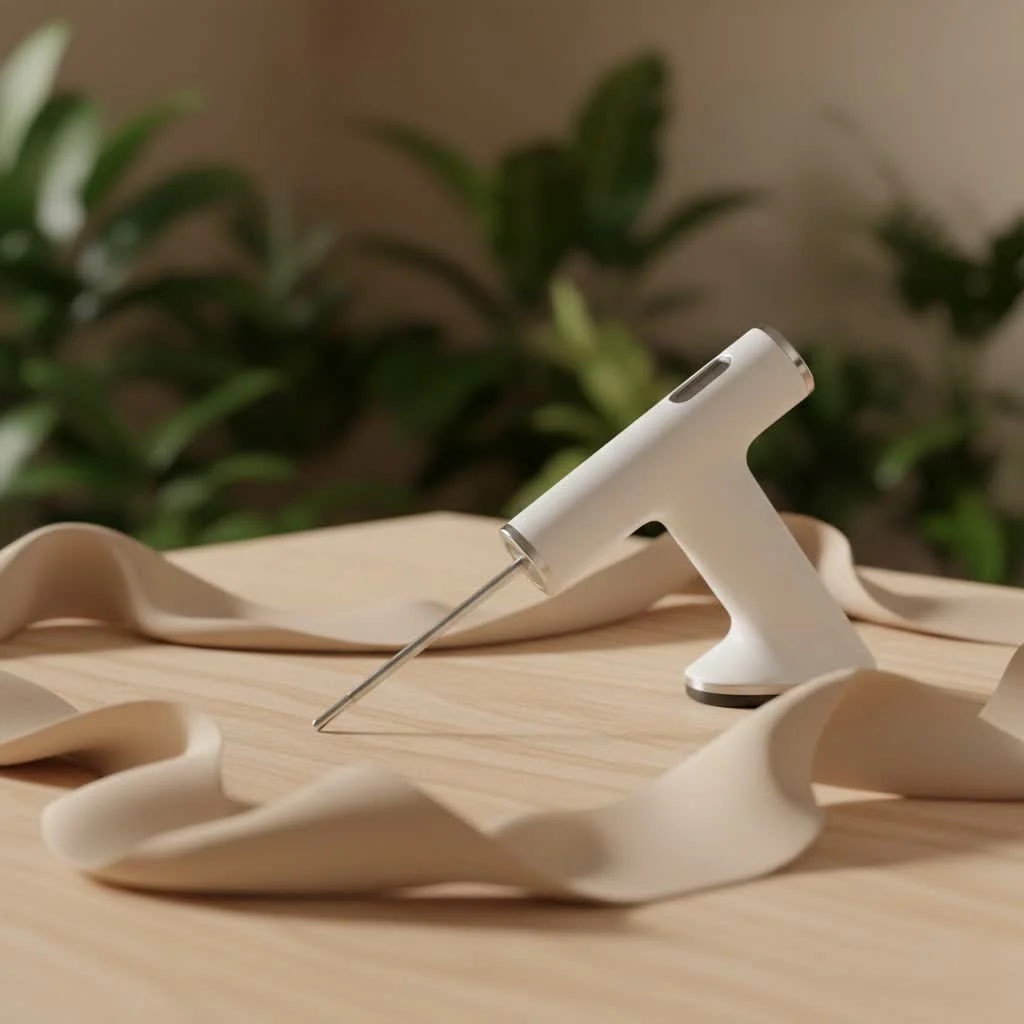
At JXSRW.com, we understand the nuances of kitchen gadgets, and after over 15 years immersed in the art of precise cooking, I can confidently say that an OXO meat thermometer isn’t just a tool; it’s an investment in delicious, worry-free dining. This article will be your ultimate guide to unlocking the full potential of your OXO meat thermometer, ensuring every dish you create is a masterpiece of flavor and safety. For see our meat thermometers recommendations on this site.
Understanding Your OXO Meat Thermometer: Types and Features
OXO offers a range of meat thermometers, each designed with specific cooking scenarios in mind, but all sharing the brand’s commitment to thoughtful design and accuracy. Let’s dive into the two primary types you’ll likely encounter.
The OXO Good Grips Chef’s Precision Digital Instant Read Thermometer
This is arguably the most popular OXO meat thermometer, a staple for quick checks and everyday cooking. Its name says it all: “instant read.” You insert the thin probe, and within seconds, you get an accurate temperature reading.
Key Features:
- Rapid Readings: Delivers temperatures quickly, often within 5-10 seconds, crucial for not letting heat escape your oven or grill.
- Large, Easy-to-Read Display: Features big, clear numbers, often with a pivoting head that allows you to read the temperature from almost any angle.
- Thin Tip Probe: Minimizes the puncture mark in your food, preserving juices.
- Fahrenheit/Celsius Conversion: A simple button press switches between temperature units to suit your preference or recipe.
- Protective Storage Sleeve: Not just for safety, this sleeve often includes chef- and USDA-recommended cooking temperatures for various meats, a handy reference right when you need it.
- Automatic Shut-off: Saves battery life, a small but significant convenience.
This OXO meat thermometer is ideal for stovetop cooking, grilling, pan-searing, and checking thinner cuts like chicken breasts, pork chops, burgers, and fish fillets. Remember, it’s designed for quick spot-checks, not to be left in the oven during cooking.
The OXO Good Grips Chef’s Precision Digital Leave-In Thermometer
For those longer cooking projects like roasts, whole turkeys, or slow-cooked dishes, the OXO leave-in meat thermometer is an indispensable companion. It’s designed to stay in your food from start to finish.
Key Features:
- Continuous Monitoring: The probe remains in the meat throughout the cooking process, sending real-time temperature updates to an external display.
- Oven-Safe Probe and Wire: Engineered to withstand high oven or grill temperatures, allowing you to close the door without damaging the unit.
- Programmable Alarms: Set your target temperature, and the thermometer will alert you when your food reaches it, preventing overcooking.
- Timer Functionality: Many models include a timer, adding another layer of control to your cooking.
This type of OXO meat thermometer excels with large cuts of meat, whole poultry, and anything that requires extended cooking in an oven, smoker, or grill, ensuring you hit that perfect internal temperature without constantly opening the door.
How to Use Your OXO Meat Thermometer for Perfect Results
Using an OXO meat thermometer correctly is the cornerstone of safe and succulent cooking. It’s more than just sticking a probe into your food; it’s about precision and understanding.
General Best Practices for All Meat Thermometers
|
Our Picks for the Best Meat Thermometer in 2026
As an Amazon Associate I earn from qualifying purchases.
|
||
| Num | Product | Action |
|---|---|---|
| 1 | TRAUSI Instant Read Meat Thermometer, Fast & Accurate Digital Food Thermometer with Backlight, Waterproof & Magnet for Grilling, Cooking, BBQ, Smoker, Baking, and Candy Making Blue |

|
| 2 | Meat Thermometer Digital, Instant Read Meat ThermometerI for Grill and Cooking, Waterproof Food Thermometer for Kitchen and Outside, BBQ, Turkey, Candy, Liquids, Beef |
|
| 3 | Alpha Grillers Meat Thermometer Digital - Instant Read Food Thermometer for Cooking and Grilling Gifts for Men Valentines Day Gifts for Him Her Mom Dad |
|
| 4 | 0.5s Instant Read Digital Meat Thermometer, Paysean ±0.5℉ with Auto-Rotating Backlit Display, IP67 Waterproof and Calibration for Cooking, Candy, Grilling, BBQ, Liquid, Smoker, Beef |
|
| 5 | ThermoMaven Professional Meat Thermometer Digital, Ultra-Fast 0.5 Sec Instant Read, NIST Certified ±0.5°F Accuracy, 100% Waterproof, Auto-Rotating Backlit Display, Lift-to-Wake, for BBQ/Cooking/Candy |
|
| 6 | Meat Thermometer Digital,IP67 Waterproof Thermometer for Cooking with 180° Auto-Rotating LED Display,Fast Instant Read Food thermometers for Grilling, Oven,Candy,Liquids,Beef,BBQ(Black) |
|
| 7 | Professional 0.5 Sec Instant Read Meat Thermometer Digital, NIST Certified ±0.5℉ Accuracy, Auto Rotate Large LCD Display, Highly Waterproof Cooking Thermometer for Baking Grill BBQ Smoker Oven, Red |
|
| 8 | Meat Thermometer Digital for Grilling and Cooking - ANDAXIN Waterproof Ultra-Fast Instant Read Food thermometers with Backlight & Calibration for Kitchen, Deep Fry, BBQ, Grill(Red/Black), LCD |
|
| 9 | Digital Meat Thermometer, Waterproof Instant Read Food Thermometer for Cooking and Grilling, Kitchen Gadgets, Accessories with Backlight & Calibration for Candy, BBQ Grill, Liquids, Beef, Turkey… |
|
| 10 | 0.5 Sec Instant Read Meat Thermometer Digital with ±0.5℉ Precision, Food Thermometer for Cooking Kitchen Gadgets, Oven Grill Candy BBQ Essentials Accessories, Gifts for Him Dad Men Birthday, Red |
|
No matter which OXO model you’re using, these fundamental techniques will ensure accurate readings:
- Insert into the Thickest Part: Always aim for the densest part of the meat. This is typically the last section to reach the desired temperature, giving you the most accurate overall doneness reading.
- Avoid Bones, Fat, and Gristle: These elements conduct heat differently than muscle meat, leading to inaccurate readings. Ensure your probe is nestled solely in the meat.
- Pay Attention to Depth: For most probes, you’ll want to insert it up to a few inches, ensuring the sensor tip (often indicated by a shaded area or the very end of the probe) is in the center of the thickest part.
- Wait for Stabilization: While “instant-read” thermometers are fast, they still need a few seconds (typically 5-10) for the temperature to settle and provide the most accurate reading. Don’t pull it out too soon!
- Take Multiple Readings: Especially for larger cuts like roasts or whole chickens, take 2-3 readings in different spots of the thickest part to ensure even cooking and comprehensive safety.
- Account for “Carryover Cooking”: Foods continue to cook after being removed from the heat. This “carryover cooking” can raise the internal temperature by 5-10 degrees. To prevent overcooking, remove your food from the heat when it’s 5-10 degrees below your target final temperature.
Using the OXO Instant Read Thermometer
- Power On: Press the top power button to turn your OXO meat thermometer on.
- Insert the Probe: Carefully insert the thin probe into the thickest part of the cooked meat, away from any bones or large pockets of fat. Ensure the tip is fully embedded.
- Read the Temperature: Hold the thermometer steady and wait for the digital readout to stabilize (a few seconds).
- Remove and Clean: Once you have your reading, remove the thermometer from the food.
- Convert (if needed): If you need to switch between Fahrenheit (°F) and Celsius (°C), simply press the button located on the back of the display.
- Important Note: Never leave your OXO instant-read thermometer in the oven or on the grill while cooking, as it’s not designed for continuous high heat exposure and can be damaged.
Using the OXO Leave-In Thermometer
- Prepare the Probe: Before you start cooking, insert the oven-safe probe into the thickest part of your raw meat, ensuring it avoids bone and fat.
- Position the Display: Thread the thin stainless steel wire through the oven or grill door. Place the thermometer’s display unit on a nearby counter or surface where it’s easy to read.
- Set Your Target: Use the controls on the display unit to set your desired final internal temperature. Many OXO models include pre-set temperatures for common meats, or you can manually adjust.
- Monitor and Alarm: The display will continuously show the internal temperature. When your food reaches the set target, the alarm will sound, letting you know it’s time to remove your culinary creation.
Achieving Culinary Perfection: Safe Internal Temperatures for Different Meats
Knowing the target internal temperatures is paramount for both food safety and optimal taste. The USDA provides clear guidelines, and while some chefs prefer slightly lower temperatures for certain doneness levels (like medium-rare beef), always prioritize safety.
| Meat Type | Minimum Safe Internal Temperature (USDA Recommended) | Notes |
|---|---|---|
| Poultry (Whole) | 165°F (74°C) | Measured in the innermost part of the thigh and wing, and the thickest part of the breast. |
| Ground Poultry | 165°F (74°C) | Ground turkey or chicken needs to reach this temperature. |
| Ground Meats (Beef, Pork, Lamb) | 160°F (71°C) | Burgers, meatloaf, sausages, etc. |
| Beef, Pork, Veal, Lamb (Roasts, Steaks, Chops) | 145°F (63°C) with a 3-minute rest | For medium-rare (135°F), medium (140°F), and well-done (160°F), adjust removal temperature and always allow resting. |
| Fresh Pork | 145°F (63°C) with a 3-minute rest | For chops, roasts, and tenderloins. |
| Fish | 145°F (63°C) | Or until the flesh is opaque and separates easily with a fork. |
| Leftovers/Casseroles | 165°F (74°C) | Reheat thoroughly to this temperature. |
Note: The resting period for whole cuts of meat is crucial. During this time, the juices redistribute, and the temperature continues to rise slightly due to carryover cooking, ensuring a more tender and flavorful result.
Factors Affecting OXO Meat Thermometer Accuracy
Even with a high-quality OXO meat thermometer, several factors can influence the accuracy of your readings. Understanding these can help you avoid common mistakes.
Probe Placement is Everything
As mentioned, touching bone, fat, or gristle will give you an incorrect reading. Bone conducts heat faster than meat, while fat and gristle can insulate, leading to artificially higher or lower temperatures. Always aim for the leanest, thickest part.
Meat Thickness Matters
A very thin cut of meat might not be thick enough to get an accurate reading, as the probe tip might pass through or be too close to the surface, which heats up much faster. For thinner items, consider taking multiple readings or using an instant-read thermometer carefully in the very center.
Stabilization Time
Impatience is the enemy of accuracy. Even the quickest instant-read thermometers need a moment to register the true internal temperature. Pulling the probe out too quickly can lead to undercooked food. Be patient, give it a few seconds for the numbers to settle.
Calibration (or Lack Thereof for Most OXO Models)
Most modern digital instant-read OXO meat thermometers are factory-calibrated and do not require user calibration. If you suspect an issue with accuracy, a simple ice bath test (a mixture of ice and water should read 32°F / 0°C) can help confirm if the thermometer is functioning correctly. If it’s significantly off, it might be time for a replacement.
Caring for Your OXO Meat Thermometer: Maintenance and Troubleshooting
Proper care ensures your OXO meat thermometer remains a reliable kitchen companion for years to come.
Cleaning and Storage
- Hand Wash the Probe: Always hand wash the metal probe with warm, soapy water after each use. A soft cloth or sponge is usually sufficient.
- Do Not Submerge the Digital Head: The electronic display unit of instant-read thermometers is generally not waterproof. Avoid getting it wet or submerging it in water to prevent damage. For leave-in models, only the probe and wire are oven-safe and typically water-resistant, but the display unit should be kept dry.
- Use the Protective Sleeve: Store your instant-read OXO meat thermometer in its protective sleeve to shield the probe from damage and keep it clean.
- Store Properly: Keep your thermometer in a drawer or on a magnetic strip (if it has one) where it won’t be jostled or fall, protecting the delicate probe.
Battery Replacement
OXO meat thermometers are powered by batteries, and like any electronic device, they’ll eventually need replacing.
- Instant Read Thermometers: Often use a single CR2032 button cell battery. To replace, use a coin to open the battery door on the back of the unit, remove the old battery, and insert a new one with the correct polarity.
- Digital Leave-In Thermometers: May use AAA batteries. Check your specific model’s instructions for battery type and replacement procedure.
Common Issues and Solutions
- Inaccurate Readings:
- Solution: Re-check your probe placement (away from bone/fat). Ensure the probe is inserted deep enough. Allow sufficient time for the reading to stabilize. If still off, perform an ice bath test.
- Thermometer Not Turning On:
- Solution: Check the battery. Replace it if necessary. Ensure the power button is pressed firmly.
- Display Is Faint or Flickering:
- Solution: This is often a sign of a low battery. Replace the battery.
- Probe Damage:
- Solution: If the probe is bent, frayed, or visibly damaged, it may affect accuracy. In most cases, a damaged probe necessitates replacing the entire thermometer, as probes are usually not replaceable components for OXO models.
“The true measure of a chef isn’t just about their skills with a knife, but their dedication to precision. An OXO meat thermometer isn’t just about food safety; it’s about respecting your ingredients and delivering consistently excellent results that taste like they came from a five-star kitchen. It’s a game-changer for any serious home cook.” – Chef Anya Sharma, Culinary Educator at JXSRW.com.
Frequently Asked Questions (FAQs) About OXO Meat Thermometers
Q: Is the OXO meat thermometer waterproof?
A: The probes of most OXO meat thermometers are generally water-resistant and can be hand washed. However, the digital display units are typically not waterproof and should not be submerged in water to avoid damage.
Q: Can I leave my OXO instant-read thermometer in the oven?
A: No, the OXO Chef’s Precision Digital Instant Read Thermometer is not designed to be left in the oven, grill, or smoker during cooking. Continuous high heat can damage the electronic components. For continuous monitoring, use a digital leave-in meat thermometer.
Q: What’s the battery life of an OXO meat thermometer?
A: Battery life can vary depending on usage and model. The OXO Good Grips Chef’s Precision Digital Instant Read Thermometer typically uses a CR2032 battery and has an automatic shut-off feature to conserve power, extending battery life significantly. Digital leave-in models might use AAA batteries and also feature auto shut-off.
Q: How do I convert between Fahrenheit and Celsius on my OXO meat thermometer?
A: Most OXO digital meat thermometers have a small button, usually located on the back of the display unit, that allows you to easily switch between Fahrenheit (°F) and Celsius (°C) with a single press.
Q: Where can I find a temperature guide for different meats?
A: Many OXO meat thermometers, especially the instant-read models, come with a protective sleeve that includes chef- and USDA-recommended internal cooking temperatures. You can also refer to the table provided in this article or trusted culinary resources like USDA.gov.
Q: Why is my OXO thermometer giving inconsistent readings?
A: Inconsistent readings often stem from improper probe placement. Ensure you’re inserting the probe into the thickest part of the meat, avoiding bone, fat, or gristle. Take multiple readings in different spots of larger cuts, and allow the thermometer sufficient time to stabilize before taking a final reading. A low battery can also affect performance.
Conclusion
The OXO meat thermometer is an indispensable tool that elevates your cooking from guesswork to gourmet precision. Whether you’re quickly checking the doneness of a sizzling steak with an instant-read model or meticulously roasting a holiday turkey with a leave-in thermometer, OXO provides the accuracy and ease of use you need.
By understanding the different types of OXO meat thermometers, mastering the proper usage techniques, and adhering to safe temperature guidelines, you’ll gain the confidence to prepare delicious, perfectly cooked meals every single time. So, arm yourself with your OXO meat thermometer, embrace the art of precision, and transform your kitchen into a sanctuary of culinary excellence. Happy cooking!
Cooking gear we tested in our own kitchens
Practical specs, not advice. Unsubscribe anytime.