Imagine a world where every piece of meat you cook is perfectly done—juicy, tender, and, most importantly, safe to eat. No more guessing, no more dry, overcooked chicken, or suspiciously pink pork. That world isn’t a culinary fantasy; it’s a reality, and the key to unlocking it is the instant read meat thermometer. This indispensable kitchen gadget has revolutionized how home cooks and professional chefs approach meat preparation, offering quick, accurate temperature readings that take the guesswork out of cooking.
What Exactly is an Instant Read Meat Thermometer?
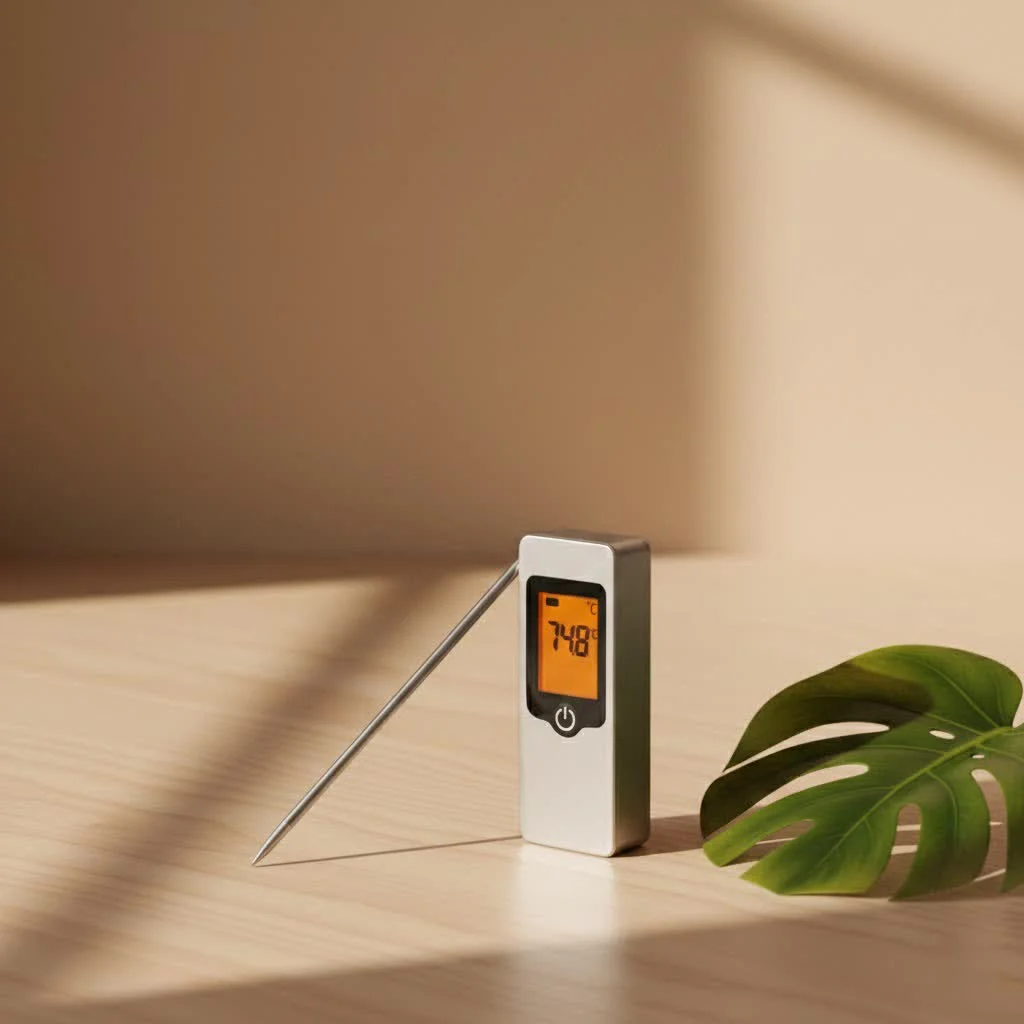
At its core, an instant read meat thermometer is a device designed to measure the internal temperature of food quickly and precisely. Unlike traditional oven-safe probe thermometers that remain in the food throughout the cooking process, an instant read thermometer is used for a brief moment to get a spot check. Typically, these thermometers feature a sharp metal probe connected to a digital display, providing a temperature reading within a matter of seconds. This rapid response time is what gives them their “instant” moniker, allowing you to monitor doneness without significantly cooling down your food or oven. For expert meat thermometers reviews on this site.
Why Every Kitchen Needs an Instant Read Meat Thermometer
If you’re still relying on visual cues or the “touch test” to determine if your meat is cooked, it’s time for an upgrade. An instant read meat thermometer isn’t just a convenience; it’s a necessity for several compelling reasons:
- Uncompromised Food Safety: This is perhaps the most critical benefit. Harmful bacteria like Salmonella and E. coli can lurk in undercooked meats. The only way to guarantee these pathogens are destroyed is by cooking food to specific safe internal temperatures. An instant read thermometer provides this crucial confirmation, protecting you and your loved ones from foodborne illness.
- Achieving Culinary Perfection: Beyond safety, these thermometers empower you to cook meat to your desired level of doneness every single time. Whether you prefer a rare steak, medium-well pork, or perfectly cooked poultry, knowing the exact internal temperature prevents overcooking, which can lead to dry, tough results, and undercooking, which is both unappetizing and unsafe.
- Reducing Cooking Stress: No more hovering over the grill or oven, second-guessing yourself. With an instant read thermometer, you gain confidence and peace of mind, knowing precisely when your food has reached its optimal state. “An instant read thermometer is a chef’s best friend,” says Chef Liam O’Connell, a seasoned culinary expert. “It’s the secret weapon for consistency, turning every meal into a masterpiece.”
- Versatility Beyond Meat: While “meat” is in the name, these thermometers are incredibly versatile. They’re perfect for checking the temperature of bread, deep-fry oil, candy, casseroles, and even beverages, making them a true multi-tasker in any kitchen.
Decoding the Digital: Types of Instant Read Thermometers
While the core function remains the same, instant read thermometers come with various features that enhance usability and performance. Most modern instant read thermometers are digital, offering clear, easy-to-read displays. Key features to look for include:
- Fast Response Time: High-quality models can give readings in as little as 1-3 seconds.
- Accuracy: Look for thermometers with a high degree of accuracy, often within ±1°F (±0.5°C). Regular calibration ensures this accuracy over time.
- Auto-Rotating Display & Backlight: These features make it easy to read the temperature from any angle or in low-light conditions, particularly useful when grilling at dusk.
- Water Resistance (IP Rating): A good IP rating (e.g., IP65 or higher) indicates the thermometer can withstand splashes and allows for easy cleaning under running water without fear of damage.
- Magnetic Backing or Hanging Loop: Convenient for storage, allowing you to keep your thermometer handy on the fridge or a tool hook.
- Probe Material and Length: Stainless steel probes are durable and easy to clean. Longer probes can be beneficial for larger cuts of meat, keeping your hands away from the heat.
Some advanced models, like thermocouple thermometers, offer superior speed and accuracy. You might also encounter hybrid models that combine an instant-read probe with an infrared sensor for measuring surface temperatures of pans or grills, though the probe remains essential for internal readings.
Mastering the Art: How to Use Your Instant Read Meat Thermometer Correctly
Using an instant read meat thermometer effectively is crucial for accurate results. Here’s a step-by-step guide to ensure you’re always on point:
-
Preparation is Key:
- Check Batteries: Before you even start cooking, make sure your thermometer has fresh batteries and is working. Many have an auto-off feature to save battery life.
- Know Your Target: Decide the desired final temperature for your specific cut of meat, referencing USDA guidelines for safety and personal preference for doneness.
-
Perfect Placement: Where to Insert the Probe
- Thickest Part is Best: Always insert the probe into the thickest part of the meat. This is typically the last part to cook, so if it’s done, the rest of the meat likely is too.
- Avoid Bones, Fat, and Gristle: These elements conduct heat differently than muscle meat, which can lead to inaccurate readings. Gently guide the probe to avoid them.
- For Roasts and Whole Birds: Take multiple readings in different areas to ensure even cooking.
- For Burgers and Steaks: Insert the probe into the side of the patty or steak, angling it towards the center to reach the core.
-
Timing Your Reading:
- Towards the End of Cooking: Start checking the temperature a few minutes before the estimated cooking time is complete. This helps prevent overcooking.
- Quick Insertion, Quick Read: Insert the probe, wait a few seconds for the temperature to stabilize, and read the display. Then, remove it promptly. Remember, these are not meant to be left in the oven or grill.
-
The Importance of Resting:
- Once your meat reaches its target temperature, remove it from the heat and allow it to rest. This is vital! During this “rest time” (typically 3-10 minutes for smaller cuts, and up to 30-45 minutes for larger roasts), the internal temperature will continue to rise (this is called “carryover cooking”), and juices will redistribute, resulting in a more tender and flavorful product.
Achieving Culinary Perfection: Safe Internal Temperatures for Various Meats
Knowing the target temperatures is paramount for both safety and deliciousness. Always refer to the latest USDA guidelines for safe minimum internal temperatures. Remember that while some chefs might prefer slightly lower temperatures for specific doneness levels, the USDA recommendations prioritize food safety.
| Food Type | Minimum Internal Temperature | Rest Time (after removing from heat) |
|---|---|---|
| Beef, Pork, Veal, Lamb (Steaks, Chops, Roasts) | 145°F (63°C) | 3 minutes |
| Ground Meats (Beef, Pork, Lamb, Veal) | 160°F (71°C) | None |
| Poultry (Whole, Pieces, Ground) | 165°F (74°C) | None (or as specified for whole bird) |
| Fish (Whole or Fillet) | 145°F (63°C) | None |
| Fresh Ham (uncooked) | 145°F (63°C) | 3 minutes |
| Cooked Ham (to reheat) | 140°F (60°C) | None |
| Casseroles & Leftovers | 165°F (74°C) | None |
Note: For ground meat and poultry, a rest time is not typically required because they are cooked to a higher temperature where carryover cooking is less critical for safety.
Beyond the Basics: Factors Affecting Your Instant Read Thermometer’s Accuracy
Even the best instant read meat thermometers can give misleading readings if not used or maintained properly. Understanding what influences accuracy can help you get the most reliable results:
- Calibration: Over time, or if dropped, your thermometer might lose its calibration. Regularly checking and recalibrating ensures it’s always reading correctly. The ice bath method is a simple home calibration technique: fill a glass with crushed ice, add a small amount of water (just enough to cover the ice), stir, and insert your thermometer. It should read 32°F (0°C). If it doesn’t, follow your thermometer’s specific calibration instructions, which often involve a reset button or an adjustment screw.
- Battery Life: A weak battery can sometimes lead to slow or inaccurate readings. If your display seems dim or sluggish, try replacing the batteries.
- Improper Probe Placement: As mentioned, hitting a bone, a pocket of fat, or gristle can give an artificially high or low reading, skewing your perception of the meat’s true temperature.
- Environmental Factors: While modern thermometers are robust, extreme cold can sometimes affect their initial readings, especially with lower-cost models. Always test in the thickest part of the food, giving it a moment to stabilize.
Keeping It Pristine: Care, Cleaning, and Storage Tips
A well-cared-for instant read meat thermometer will serve you reliably for years.
- Clean After Every Use: This is vital for hygiene and preventing cross-contamination. Wash the metal probe thoroughly with warm, soapy water after each use.
- Avoid Submerging the Body: Unless your thermometer is specifically rated for full submersion (check its IP rating), do not immerse the main digital unit in water. Wipe the body clean with a damp cloth.
- Steer Clear of Harsh Chemicals: Abrasive cleaners or strong chemical agents can damage the probe or the digital display. Mild dish soap is usually sufficient.
- Proper Storage: Many instant read thermometers come with a protective sheath for the probe. Use it! This prevents damage to the probe and protects it from other items in your drawer. If it has a magnetic back, proudly display it on your fridge for easy access.
- Battery Maintenance: Replace batteries as recommended by the manufacturer, typically every 1-2 years, or sooner if the display dims. Remove batteries if storing the thermometer for extended periods to prevent corrosion.
When Things Go Wrong: Troubleshooting Common Instant Read Thermometer Issues
Even reliable tools can sometimes encounter hiccups. Here’s how to troubleshoot common issues:
- Inaccurate or Inconsistent Readings:
- Recalibrate: This is the first step if you suspect inaccuracy. Use the ice bath method described above.
- Check Battery: A low battery can affect performance.
- Check Probe Placement: Ensure you’re in the thickest part, away from bone/fat. Take multiple readings in different spots for larger cuts.
- Inspect Probe: A bent or damaged probe can lead to erratic readings. If the probe itself is visibly damaged, it might need replacement.
- “LLL” or “HHH” on Display: These often indicate that the temperature is outside the thermometer’s measurable range, or more commonly, that the probe is damaged or not properly connected. Try removing and reinserting the probe firmly, or replacing the batteries. If the issue persists, the probe may be defective.
- Slow Readings: While “instant” implies quick, some models are faster than others. If your thermometer used to be faster, check the battery. If it’s always been slow, it might just be a characteristic of that particular model.
Frequently Asked Questions (FAQ)
Q1: Can I leave an instant read thermometer in the meat while it cooks in the oven or on the grill?
|
Our Picks for the Best Meat Thermometer in 2026
As an Amazon Associate I earn from qualifying purchases.
|
||
| Num | Product | Action |
|---|---|---|
| 1 | 0.5 Sec Instant Read Meat Thermometer Digital with ±0.5℉ Precision, Food Thermometer for Cooking Kitchen Gadgets, Oven Grill Candy BBQ Essentials Accessories, Gifts for Him Dad Men Birthday, Red |

|
| 2 | Digital Meat Thermometer, Waterproof Instant Read Food Thermometer for Cooking and Grilling, Kitchen Gadgets, Accessories with Backlight & Calibration for Candy, BBQ Grill, Liquids, Beef, Turkey… |
|
| 3 | Meat Thermometer Digital, Instant Read Meat ThermometerI for Grill and Cooking, Waterproof Food Thermometer for Kitchen and Outside, BBQ, Turkey, Candy, Liquids, Beef |
|
| 4 | Alpha Grillers Meat Thermometer Digital - Instant Read Food Thermometer for Cooking and Grilling Gifts for Men Valentines Day Gifts for Him Her Mom Dad |
|
| 5 | ThermoMaven Professional Meat Thermometer Digital, Ultra-Fast 0.5 Sec Instant Read, NIST Certified ±0.5°F Accuracy, 100% Waterproof, Auto-Rotating Backlit Display, Lift-to-Wake, for BBQ/Cooking/Candy |
|
| 6 | TRAUSI Instant Read Meat Thermometer, Fast & Accurate Digital Food Thermometer with Backlight, Waterproof & Magnet for Grilling, Cooking, BBQ, Smoker, Baking, and Candy Making Blue |
|
| 7 | 0.5s Instant Read Digital Meat Thermometer, Paysean ±0.5℉ with Auto-Rotating Backlit Display, IP67 Waterproof and Calibration for Cooking, Candy, Grilling, BBQ, Liquid, Smoker, Beef |
|
| 8 | Meat Thermometer Digital,IP67 Waterproof Thermometer for Cooking with 180° Auto-Rotating LED Display,Fast Instant Read Food thermometers for Grilling, Oven,Candy,Liquids,Beef,BBQ(Black) |
|
| 9 | Meat Thermometer Digital for Grilling and Cooking - ANDAXIN Waterproof Ultra-Fast Instant Read Food thermometers with Backlight & Calibration for Kitchen, Deep Fry, BBQ, Grill(Red/Black), LCD |
|
| 10 | Professional 0.5 Sec Instant Read Meat Thermometer Digital, NIST Certified ±0.5℉ Accuracy, Auto Rotate Large LCD Display, Highly Waterproof Cooking Thermometer for Baking Grill BBQ Smoker Oven, Red |
|
No, instant read thermometers are not designed to be left in food during cooking. The high, sustained heat of an oven or grill can damage the electronic components. These thermometers are for quick spot checks only. For continuous monitoring, you’d use a “leave-in” or “oven-safe” thermometer.
Q2: How often should I calibrate my instant read meat thermometer?
It’s a good practice to calibrate your thermometer regularly, especially if you notice inconsistent readings, or if it has been dropped. Many culinary professionals recommend calibrating once a month or before important cooking tasks like roasting a holiday turkey.
Q3: What’s the main difference between an instant read thermometer and a leave-in thermometer?
An instant read thermometer provides a quick, temporary temperature reading (within seconds) and is removed from the food. A leave-in thermometer has a probe that stays in the food throughout the cooking process and often has a wire connecting to an external display, allowing for continuous monitoring without opening the oven or grill.
Q4: Can I use my instant read thermometer for non-meat items?
Absolutely! An instant read thermometer is incredibly versatile. You can use it to check the temperature of deep-fry oil, candy syrups, baked goods like bread, casseroles, and even hot beverages to ensure they’re at the perfect serving temperature.
Q5: My thermometer isn’t turning on. What should I do?
First, check the batteries. Many issues are resolved by simply replacing old or drained batteries with fresh ones. Ensure they are inserted correctly. If it still doesn’t turn on, refer to your user manual for specific troubleshooting steps or contact the manufacturer.
Conclusion
An instant read meat thermometer is more than just a gadget; it’s a powerful tool that transforms your cooking, ensuring every meal is cooked to perfection and is safe to eat. By understanding how these thermometers work, how to use them correctly, and how to care for them, you’ll gain unparalleled confidence in the kitchen. Embrace the precision, eliminate the guesswork, and elevate your culinary game. Visit jxsrw.com for more expert insights and practical advice to help you become a master of your kitchen. Happy cooking!
Cooking gear we tested in our own kitchens
Practical specs, not advice. Unsubscribe anytime.