Mastering your Traeger meat thermometer is crucial for achieving perfectly cooked, safe, and delicious results on your pellet grill. This essential tool eliminates guesswork, preventing both undercooked and overcooked meat by providing precise internal temperature readings. With proper use and understanding of its features, you can confidently command your cook and craft culinary masterpieces.
What Kinds of Traeger Meat Thermometers Are Out There?
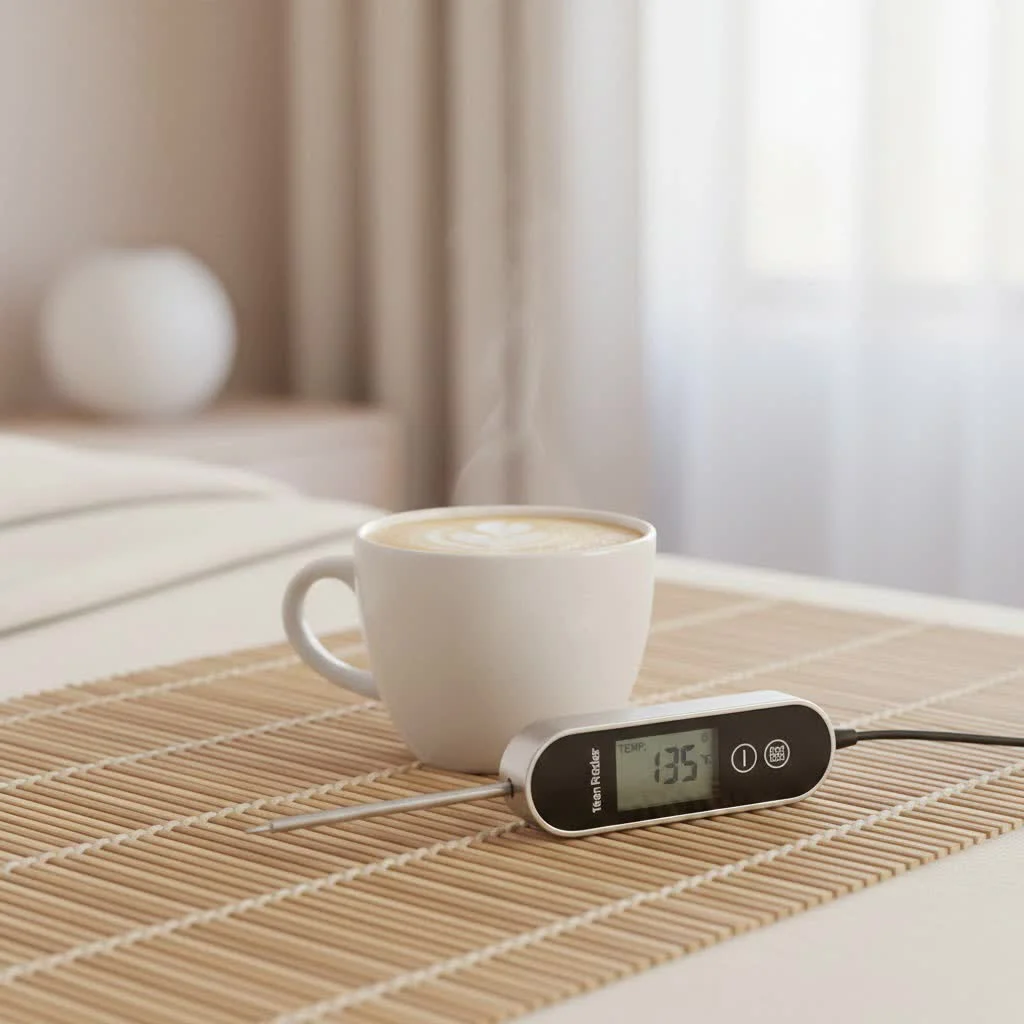
When discussing Traeger meat thermometers, there isn’t a single universal option. Traeger offers several excellent choices, each designed to suit different cooking styles and convenience preferences. Understanding each type is the first step in selecting and utilizing the appropriate tool for your specific needs.
Wired Meat Probes: Your Grill’s Best Friend
Many Traeger grills, particularly WiFIRE-enabled D2 models, include wired meat probes. These probes connect directly to your grill’s controller, allowing you to monitor your food’s internal temperature from the grill’s display or via the Traeger app on your smartphone. A unique characteristic of these probes is that they typically average the temperature along their entire length, rather than just at the tip. This can be beneficial for larger cuts where an overall sense of doneness is desired, but it may offer less precision for pinpoint readings.
Wireless Meat Thermometers: The Ultimate Freedom
Traeger also provides advanced wireless meat thermometers, sometimes in collaboration with brands like MEATER Plus. These are ideal for modern pitmasters, enabling you to track your cook from anywhere within range using a dedicated phone app. This allows for flexibility, such as attending to guests or preparing sides, while still closely monitoring your brisket’s progress. These probes often feature impressive battery life and convenient charging docks. However, they typically require compatibility with newer, touchscreen Traeger models equipped with Bluetooth and WiFIRE capabilities.
Instant-Read Thermometers: Quick Checks for Perfection
While not intended for continuous monitoring, a high-quality instant-read thermometer, such as the Traeger Digital Instant Read Thermometer, is an indispensable addition to your Traeger setup. These handheld devices deliver rapid temperature readings, usually within seconds, by sensing the temperature at the very tip of the probe. They are perfect for quick spot-checks on thinner cuts or for verifying the temperature of various sections of a larger roast before removal from the grill.
How Do You Use a Traeger Meat Thermometer Correctly?
Correct usage is critical, extending beyond simply inserting the probe into the meat. It involves both art and science to ensure accuracy and, ultimately, a perfectly cooked meal.
Mastering Probe Placement: Where to Insert Your Traeger Meat Thermometer
|
Our Picks for the Best Meat Thermometer in 2026
As an Amazon Associate I earn from qualifying purchases.
|
||
| Num | Product | Action |
|---|---|---|
| 1 | ThermoMaven Professional Meat Thermometer Digital, Ultra-Fast 0.5 Sec Instant Read, NIST Certified ±0.5°F Accuracy, 100% Waterproof, Auto-Rotating Backlit Display, Lift-to-Wake, for BBQ/Cooking/Candy |

|
| 2 | Meat Thermometer Digital, Instant Read Meat ThermometerI for Grill and Cooking, Waterproof Food Thermometer for Kitchen and Outside, BBQ, Turkey, Candy, Liquids, Beef |
|
| 3 | Alpha Grillers Meat Thermometer Digital - Instant Read Food Thermometer for Cooking and Grilling Gifts for Men Valentines Day Gifts for Him Her Mom Dad |
|
| 4 | TRAUSI Instant Read Meat Thermometer, Fast & Accurate Digital Food Thermometer with Backlight, Waterproof & Magnet for Grilling, Cooking, BBQ, Smoker, Baking, and Candy Making Blue |
|
| 5 | Meat Thermometer Digital,IP67 Waterproof Thermometer for Cooking with 180° Auto-Rotating LED Display,Fast Instant Read Food thermometers for Grilling, Oven,Candy,Liquids,Beef,BBQ(Black) |
|
| 6 | Digital Meat Thermometer, Waterproof Instant Read Food Thermometer for Cooking and Grilling, Kitchen Gadgets, Accessories with Backlight & Calibration for Candy, BBQ Grill, Liquids, Beef, Turkey… |
|
| 7 | Meat Thermometer Digital for Grilling and Cooking - ANDAXIN Waterproof Ultra-Fast Instant Read Food thermometers with Backlight & Calibration for Kitchen, Deep Fry, BBQ, Grill(Red/Black), LCD |
|
| 8 | 0.5 Sec Instant Read Meat Thermometer Digital with ±0.5℉ Precision, Food Thermometer for Cooking Kitchen Gadgets, Oven Grill Candy BBQ Essentials Accessories, Gifts for Him Dad Men Birthday, Red |
|
| 9 | 0.5s Instant Read Digital Meat Thermometer, Paysean ±0.5℉ with Auto-Rotating Backlit Display, IP67 Waterproof and Calibration for Cooking, Candy, Grilling, BBQ, Liquid, Smoker, Beef |
|
| 10 | Professional 0.5 Sec Instant Read Meat Thermometer Digital, NIST Certified ±0.5℉ Accuracy, Auto Rotate Large LCD Display, Highly Waterproof Cooking Thermometer for Baking Grill BBQ Smoker Oven, Red |
|
Many home cooks make errors in probe placement. For wired and wireless probes designed for continuous monitoring, always insert the probe into the thickest part of the protein. The objective is to position the sensor in the true thermal center, which is the last section of the meat to reach your desired temperature.
- Avoid Bones and Fat: Bones can conduct heat more rapidly, leading to an artificially high reading. Large pockets of fat also do not accurately reflect the temperature of the surrounding muscle. Aim for lean meat.
- Go Deep Enough: For wired probes, ensure the probe is inserted at least 2 inches (5.1 cm) deep into the meat to obtain an accurate reading and protect internal components from ambient grill heat.
- Thinner Cuts: For items like chicken thighs or thin steaks, a wired probe might be too large or may not provide the most reliable continuous reading. In these cases, an instant-read thermometer excels, offering a quick, precise check without excessive insertion.
Monitoring Your Cook: Setting Alarms and Using the App
Once your probe is correctly inserted and your Traeger is preheated, plug in your wired probe (if applicable). You can then monitor the food’s temperature directly on your grill’s controller display or, for WiFIRE-enabled models, through the intuitive Traeger app. Setting a “probe goal alarm” is an excellent feature that will notify you when your meat reaches its target temperature, preventing overcooking. Chef Maria Rodriguez, a culinary expert, always advises setting probe alarms a few degrees below the final target temperature to account for carryover cooking.
What Are the Safe Internal Temperatures for Different Meats?
Food safety is paramount. Here’s a quick guide to recommended safe internal temperatures, largely based on USDA guidelines, to ensure your meals are not only delicious but also safe for consumption:
| Meat Type | Minimum Safe Internal Temperature | Notes |
|---|---|---|
| Poultry (Whole, Ground) | 165°F (74°C) | For whole birds, check the thickest part of the thigh/breast. |
| Ground Meats (Beef, Pork, Lamb) | 160°F (71°C) | Critical for burgers and meatloaf. |
| Beef, Pork, Veal, Lamb (Steaks, Roasts, Chops) | ||
| – Medium Rare | 135-140°F (57-60°C) | Pull 5-10°F below target for carryover cooking. |
| – Medium | 140-145°F (60-63°C) | |
| – Medium Well | 145-150°F (63-66°C) | |
| – Well Done | 160°F (71°C) | |
| Fish | 145°F (63°C) | Flakes easily with a fork. |
| Brisket Flat | 195-203°F (90-95°C) | Often requires higher temps for tenderness. |
| Brisket Point | 203-210°F (95-99°C) | |
| Chicken Dark Meat | 175-180°F (79-82°C) | For optimal tenderness, especially thighs/drumsticks. |
| Leftovers/Casseroles | 165°F (74°C) | Reheat thoroughly. |
carryover cooking means your meat’s internal temperature will continue to rise by a few degrees after it’s removed from the heat. Always factor this in!
What Factors Can Affect the Accuracy of Your Traeger Meat Thermometer?
Even the most reliable tools can provide misleading readings if not properly understood. Here’s what can cause your Traeger meat thermometer to be inaccurate:
- The “Tolerance” Factor: Traeger states that its wired meat probes are designed to read within ±7.5°F (±4.2°C) of the actual temperature. While this falls within their specified operational range, some users find this margin of error significant, particularly for precise cooks.
- Probe Placement is Key: As mentioned, inserting the probe into bone or fat instead of muscle will result in an inaccurate reading. Too shallow an insertion can also be misleading.
- Grill Ambient Temperature vs. Meat Temperature: Your Traeger grill’s internal temperature sensor (often called an RTD probe or thermocouple) measures the overall cooking environment within the grill, accounting for radiant heat and airflow. This differs from the meat probe, which measures the internal temperature of your food. They will not, and should not, always match.
- Probe Damage: A bent probe, a frayed wire, or a damaged connection point can all lead to inaccurate or no readings. Handle your probes with care!
Tips for Caring, Cleaning, and Storing Your Traeger Meat Thermometer
Longevity and accuracy are directly linked to proper care. These simple steps will maintain your Traeger meat thermometer in top condition:
- Clean Immediately After Use: Once cooled, wipe down your probes with a damp cloth and mild soap. Avoid submerging the entire probe or the connection point in water, especially for wired probes. Thorough cleaning prevents residue buildup that can affect future readings.
- Avoid Harsh Abrasives: Do not use steel wool or harsh chemical cleaners, as these can damage the probe’s sensor or protective coating.
- Store Safely: Store probes to prevent kinks or crushing of their wires. A tangled wire is a damaged wire. Many wireless probes come with magnetic docks for easy and safe storage.
- Check Your Pellets: The quality and dryness of your Traeger pellets indirectly influence your thermometer’s perceived accuracy. Moist or low-quality pellets can lead to inconsistent grill temperatures, affecting cook times and making your meat probe readings seem “off.”
- Keep Your Grill Clean: A clean firepot and RTD sensor in your grill ensure consistent ambient temperatures, which support accurate cooking and thermometer performance.
Troubleshooting Common Traeger Meat Thermometer Issues
Even experienced pitmasters encounter issues. Here’s how to address some common problems with your Traeger meat thermometer:
“My Probe Isn’t Showing a Temperature or is Stuck at 32°F (0°C).”
This is a frequent issue, often indicating a connection problem.
- Check the Connection: Ensure the probe is fully and firmly inserted into the jack on your grill. A loose connection is the most common reason for this error.
- Inspect for Debris/Moisture: Gently clean out the probe jack with compressed air or a cotton swab dampened with rubbing alcohol (with the grill off and unplugged).
- Test Other Probes/Jacks: If you have multiple probes or jacks, try swapping them to determine if the issue lies with the probe itself or the grill’s jack.
- Power Cycle & Firmware: Sometimes, a simple power cycle of the grill can resolve minor glitches. Also, ensure your grill’s firmware is up to date.
“My Traeger Meat Thermometer Readings Seem Inaccurate.”
If you suspect your probe isn’t reading correctly, it’s time for a calibration check.
- The Ice Bath Test: This is the standard method for calibrating any meat thermometer. Fill a glass with crushed ice and add water, ensuring there’s more ice than water (a slushy consistency). Stir gently for one minute, then insert your probe. A properly functioning thermometer should read very close to 32°F (0°C).
- Calibrate or Offset (WiFIRE Grills): For WiFIRE-enabled D2 grills, you can often calibrate the probe or use a “probe offset” setting in the grill’s menu (MENU > SETTINGS > PROBE CALIBRATION). If your ice bath test shows a consistent deviation (e.g., it reads 35°F), you can adjust the offset by -3°F. If the reading is off by more than 15°F (9°C) even after an ice bath test, contact Traeger customer support for a replacement.
Wireless Connectivity Issues
For wireless Traeger meat thermometers, range and connectivity can sometimes be a concern.
- Bluetooth Range: Bluetooth has its limitations. Ensure your smartphone is within reasonable range of your grill.
- Grill Compatibility: Double-check that your wireless probe is compatible with your specific Traeger model and that your grill has the necessary WiFIRE/Bluetooth capabilities.
- App Updates: Keep the Traeger app updated to ensure optimal performance and bug fixes.
Frequently Asked Questions About Traeger Meat Thermometers
Q1: Can I leave my Traeger meat thermometer in the meat throughout the entire cook?
A1: Yes, wired and wireless Traeger meat probes are designed to be left in the meat for continuous monitoring throughout the cooking process. Instant-read thermometers, however, should only be used for quick spot checks.
Q2: Why is my Traeger grill’s temperature display different from my meat probe reading?
A2: It’s completely normal for the grill’s display to differ from your meat probe reading. The grill’s display shows the ambient air temperature inside the cooking chamber, measured by the RTD probe, while your meat probe measures the internal temperature of your food. They are monitoring two distinct things.
Q3: How often should I calibrate my Traeger meat thermometer?
A3: It’s a good practice to perform an ice bath test on your Traeger meat thermometer periodically, perhaps every few months or if you suspect inaccurate readings. Calibration ensures consistent accuracy for your cooks.
Q4: My wired probe cable seems delicate. How can I prevent it from being damaged?
A4: To protect your wired probe, avoid sharp bends or kinks in the cable. Ensure it’s not pinched by the grill lid. When storing, coil it loosely rather than tightly wrapping it, and keep it away from sharp objects.
Q5: Can I use a third-party meat thermometer with my Traeger grill?
A5: While Traeger grills come with their own probes, you can certainly use third-party instant-read thermometers for verification. However, continuous monitoring features, such as app integration and grill display, are generally reserved for Traeger’s proprietary wired and wireless probes.
Q6: What’s “carryover cooking” and why does it matter for my Traeger meat thermometer readings?
A6: Carryover cooking is when meat continues to cook and its internal temperature rises after being removed from the heat. It happens because the outside of the meat is hotter than the inside and continues to transfer heat inwards. Accounting for this, by pulling your meat 5-10°F below your target temperature, prevents overcooking.
The Journey to Traeger Perfection
Your Traeger meat thermometer is more than just a gadget; it’s a partner in your culinary adventures. By understanding the different types, mastering proper usage, recognizing factors affecting accuracy, and knowing how to troubleshoot, you’re well on your way to consistent, mouth-watering results every single time. From juicy briskets to perfectly seared steaks, the confidence a reliable Traeger meat thermometer provides is unparalleled. So go forth, embrace the smoke, and let your Traeger meat thermometer guide you to grilling glory. Happy cooking from all of us at JXSRW!
Cooking gear we tested in our own kitchens
Practical specs, not advice. Unsubscribe anytime.
This thermometer has made such a difference for my grilling. I used to constantly worry about undercooked meat, especially with thicker steaks. Now, I just set it and forget it, knowing I’ll get perfectly cooked results every time. It’s truly an essential tool for anyone serious about their Traeger.
I got one of the Traeger thermometers to help with my smoking, especially for larger cuts like a whole turkey. It does give accurate readings, which is good. However, I found the display a little hard to read in bright sunlight when I’m out on the patio. It works, but could be improved.
The wired meat probe that came with my Traeger grill is pretty solid. It’s super convenient to monitor the temp without opening the lid constantly. I’ve used it for everything from chicken to pork shoulder and it’s always accurate. My only minor gripe is the cable can sometimes get in the way if I’m moving things around a lot, but it’s a small trade-off for the accuracy.
I used to always overcook my briskets on my Traeger, but this thermometer has been a game-changer. The precise internal temperature readings really take the guesswork out of it. My last brisket was perfectly tender and juicy, thanks to finally getting the temperature right. Highly recommend for any Traeger owner!