A wired meat thermometer is a reliable kitchen tool that provides continuous, real-time temperature monitoring of food without opening the oven or grill. This ensures consistent cooking results, enhanced food safety, and a more relaxed cooking experience, making it ideal for achieving perfectly cooked meats like roast chicken or steak. Unlike instant-read thermometers, wired models remain in the food throughout the cooking process.
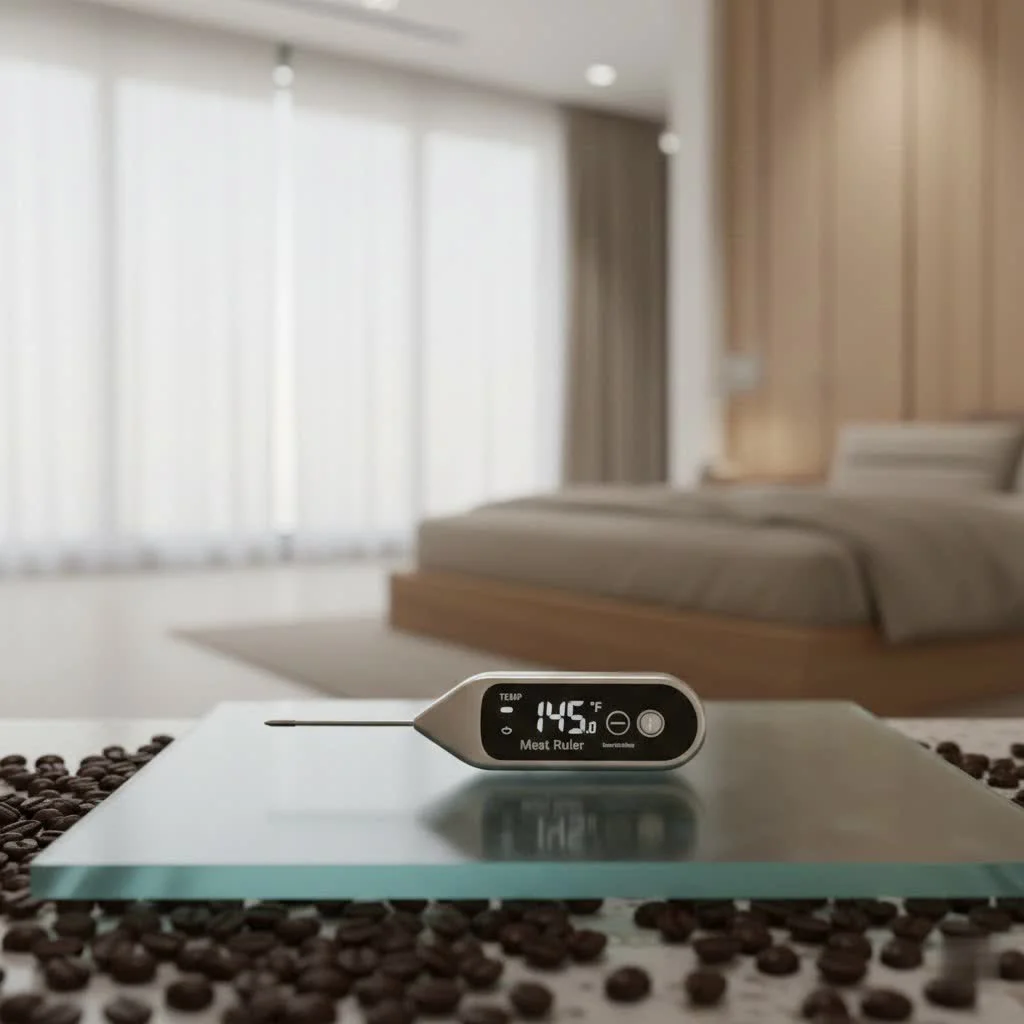
In an age of endless kitchen gadgets, the wired meat thermometer stands out for its straightforward reliability and precision. Unlike its instant-read cousins, which require you to constantly open your oven or grill, a wired thermometer is designed to stay put, giving you continuous, real-time temperature updates without disturbing your cooking environment. This means consistent results, enhanced food safety, and ultimately, a more relaxed cooking experience. Ready to improve your cooking and impress your guests? Let’s dive deep into everything you need to know about this essential tool. For see our meat thermometers recommendations on this site.
Why Choose a Wired Meat Thermometer? The Unsung Hero of Your Kitchen
Think of a wired meat thermometer as your personal culinary sentry, diligently monitoring your food while you tend to other tasks or simply relax. It’s a major upgrade for anyone serious about achieving optimal doneness and food safety.
Accuracy and Reliability
One of the primary reasons to embrace a wired meat thermometer is its unwavering accuracy. The direct physical connection between the probe and the display unit minimizes signal interference, delivering highly precise temperature readings straight to you. This reliability means you can trust the numbers, making critical decisions about your cooking with confidence. It’s particularly vital when cooking large cuts of meat or poultry where internal temperatures can vary significantly.
Continuous Monitoring
The “leave-in” design is arguably the biggest advantage. Insert the probe, close your oven or grill, and let the thermometer do the rest. You can monitor the progress on an external display, or even via an app if you have a smart model, without ever needing to open the cooking chamber. This prevents heat loss, which is crucial for consistent cooking and energy efficiency, especially during long roasts or slow smokes.
Durability and High Heat Resistance
Wired meat thermometer probes and their accompanying cables are engineered to withstand extreme temperatures, often up to 716°F (380°C). This robust construction makes them ideal for use in ovens, grills, and smokers, where other types of thermometers might fail. Should an issue arise, often only the probe needs replacing, making it a cost-effective choice in the long run.
Budget-Friendly Excellence
|
Our Picks for the Best Meat Thermometer in 2026
As an Amazon Associate I earn from qualifying purchases.
|
||
| Num | Product | Action |
|---|---|---|
| 1 | ThermoMaven Professional Meat Thermometer Digital, Ultra-Fast 0.5 Sec Instant Read, NIST Certified ±0.5°F Accuracy, 100% Waterproof, Auto-Rotating Backlit Display, Lift-to-Wake, for BBQ/Cooking/Candy |

|
| 2 | Digital Meat Thermometer, Waterproof Instant Read Food Thermometer for Cooking and Grilling, Kitchen Gadgets, Accessories with Backlight & Calibration for Candy, BBQ Grill, Liquids, Beef, Turkey… |
|
| 3 | TRAUSI Instant Read Meat Thermometer, Fast & Accurate Digital Food Thermometer with Backlight, Waterproof & Magnet for Grilling, Cooking, BBQ, Smoker, Baking, and Candy Making Blue |
|
| 4 | Meat Thermometer Digital, Instant Read Meat ThermometerI for Grill and Cooking, Waterproof Food Thermometer for Kitchen and Outside, BBQ, Turkey, Candy, Liquids, Beef |
|
| 5 | 0.5 Sec Instant Read Meat Thermometer Digital with ±0.5℉ Precision, Food Thermometer for Cooking Kitchen Gadgets, Oven Grill Candy BBQ Essentials Accessories, Gifts for Him Dad Men Birthday, Red |
|
| 6 | Meat Thermometer Digital,IP67 Waterproof Thermometer for Cooking with 180° Auto-Rotating LED Display,Fast Instant Read Food thermometers for Grilling, Oven,Candy,Liquids,Beef,BBQ(Black) |
|
| 7 | 0.5s Instant Read Digital Meat Thermometer, Paysean ±0.5℉ with Auto-Rotating Backlit Display, IP67 Waterproof and Calibration for Cooking, Candy, Grilling, BBQ, Liquid, Smoker, Beef |
|
| 8 | Professional 0.5 Sec Instant Read Meat Thermometer Digital, NIST Certified ±0.5℉ Accuracy, Auto Rotate Large LCD Display, Highly Waterproof Cooking Thermometer for Baking Grill BBQ Smoker Oven, Red |
|
| 9 | Alpha Grillers Meat Thermometer Digital - Instant Read Food Thermometer for Cooking and Grilling Gifts for Men Valentines Day Gifts for Him Her Mom Dad |
|
| 10 | Meat Thermometer Digital for Grilling and Cooking - ANDAXIN Waterproof Ultra-Fast Instant Read Food thermometers with Backlight & Calibration for Kitchen, Deep Fry, BBQ, Grill(Red/Black), LCD |
|
Generally, wired meat thermometers offer exceptional value. They provide professional-grade accuracy and continuous monitoring capabilities at a more accessible price point compared to fully wireless systems. This makes them a fantastic investment for both seasoned chefs and home cooks looking to upgrade their culinary toolkit without breaking the bank.
Mastering Your Wired Meat Thermometer: A Step-by-Step Guide
Using a wired meat thermometer correctly is crucial for maximizing its benefits. Here’s how to ensure you get the perfect reading every time.
Probe Placement: The Golden Rule
The secret to accurate temperature readings lies in where you place the probe.
- For Roasts and Whole Poultry: Insert the probe into the thickest part of the meat, ensuring it’s centered and not touching any bone, gristle, or large pockets of fat. Bones and fat conduct heat differently, leading to inaccurate readings. For whole chickens or turkeys, the thickest part of the breast or thigh (away from the bone) is ideal. If using multiple probes, place them in different thick sections to monitor overall cooking.
- For Thinner Cuts (Steaks, Chops, Burgers, Fish Fillets): Insert the probe horizontally from the side, aiming for the very center of the thickest part. This ensures the probe tip is fully encapsulated by the meat, giving you an accurate core temperature.
- Depth Matters: Aim for the probe to be inserted at least 2 inches deep, or as close to the geometric center as possible for larger items.
Inserting the Probe Correctly
Gently push the stainless steel probe into the meat. Avoid forcing it, as this could damage the probe or the meat itself. Once inserted, ensure the wire is positioned to safely exit the oven or grill, avoiding direct contact with flames or extremely hot surfaces that could melt the casing. Many wired thermometers come with thin, braided steel cables designed to withstand being pinched by an oven or grill door.
Setting Up for Success
With the probe in place, plug the wire into the display unit. Most units allow you to select between Fahrenheit and Celsius. You can also set a target temperature alarm. When your meat reaches this temperature, the unit will alert you, preventing overcooking and giving you the cue to remove it from the heat.
Understanding Carryover Cooking
This is a critical concept! Meat continues to cook for a period after it’s removed from the heat source due to residual heat, a phenomenon known as “carryover cooking.” To avoid overcooking, remove your meat from the oven or grill 5-10 degrees Fahrenheit (2-5 degrees Celsius) before it reaches your desired final temperature. During the resting period (typically 10-15 minutes), the internal temperature will continue to rise to its perfect peak.
Safe Internal Temperatures for Every Meat
Ensuring your food reaches a safe internal temperature is paramount for preventing foodborne illnesses. Here’s a quick reference guide based on health authority recommendations:
| Type of Meat | Minimum Internal Temperature (Fahrenheit) | Minimum Internal Temperature (Celsius) |
|---|---|---|
| Ground Meats (Beef, Pork, Lamb, Veal) | 160°F | 71°C |
| Poultry (Chicken, Turkey, Duck, Ground Poultry) | 165°F | 74°C |
| Beef, Pork, Veal, Lamb (Roasts, Steaks, Chops) | 145°F (with 3-minute rest) | 63°C (with 3-minute rest) |
| Fish & Seafood | 145°F | 63°C |
| Fresh Ham (raw) | 145°F (with 3-minute rest) | 63°C (with 3-minute rest) |
| Leftovers & Casseroles | 165°F | 74°C |
Note: For beef, pork, and lamb, internal temperatures for desired doneness (rare, medium-rare, medium, etc.) will be lower than the general “safe” temperature, but always ensure the meat rests adequately to allow carryover cooking to reach a safe minimum.
Factors Influencing Accuracy
Even the best wired meat thermometer can give inaccurate readings if certain conditions aren’t met. Being aware of these factors can save your meal.
Common Mistakes to Avoid
- Touching Bone or Fat: As mentioned, these areas conduct heat differently and will give a skewed reading. Always aim for the leanest, thickest part.
- Shallow Insertion: If the probe isn’t deep enough, it will read the temperature of the outer, hotter layers of the meat, not its true core.
- Not Waiting for Stabilization: While many digital thermometers are fast, allow a few seconds (usually 3-5) for the reading to stabilize before taking it as final.
- Ignoring Carryover Heat: Pulling your meat at the target temperature almost guarantees overcooking once it rests.
Calibration: Keeping it Precise
Just like any precision instrument, your wired meat thermometer might need occasional calibration to ensure its accuracy.
- Ice Bath Test: Fill a glass with crushed ice and add cold water, stirring for about 30 seconds. Insert your thermometer probe into the center of the ice water, ensuring it doesn’t touch the bottom or sides of the glass. Wait for the reading to stabilize. It should read 32°F (0°C).
- Boiling Water Test (at sea level): Insert the probe into rapidly boiling water. It should read 212°F (100°C). If your thermometer is off, consult your user manual for calibration instructions. Some models allow for manual adjustment, while others might simply require you to factor in the difference or consider a replacement if it’s significantly off. As Dr. Elara Vance, Culinary Science Lead at JXSRW.com, always advises, “A properly calibrated thermometer isn’t just a tool; it’s the foundation of culinary trust, ensuring every dish meets both safety and perfection.”
Care, Cleaning, and Troubleshooting Your Wired Meat Thermometer
Proper care extends the life of your thermometer and maintains its accuracy.
Cleaning Best Practices
After each use, clean the probe with hot, soapy water. Use a damp cloth to wipe down the wire and the main display unit. Crucially, never immerse the entire display unit in water, as most are not fully waterproof and this could damage the electronics. Allow the probe and wire to air dry completely before storing.
Common Issues and Quick Fixes
- Inaccurate Readings:
- Recheck probe placement (away from bone/fat).
- Ensure sufficient insertion depth.
- Calibrate the thermometer.
- No Reading/Blank Display:
- Check battery levels in the display unit and replace if necessary.
- Ensure the probe is securely plugged into the unit.
- If using a smart thermometer, check the app connection and Bluetooth/Wi-Fi signal.
- Display Error Message:
- Consult your user manual for specific error codes. Often, this indicates a faulty probe connection or a probe that has exceeded its temperature limits.
- If the probe is damaged, consider replacing just the probe, which is often more economical than a whole new unit.
Frequently Asked Questions (FAQ)
Q1: What’s the main difference between wired and wireless meat thermometers?
A wired meat thermometer connects the probe to a display unit via a heat-resistant cable, allowing continuous temperature monitoring from outside the oven or grill. Wireless thermometers, on the other hand, transmit data without a physical wire, usually to a base unit or a smartphone app, offering greater mobility but often at a higher cost.
Q2: Can I leave a wired meat thermometer in the oven or grill during the entire cooking process?
Yes, absolutely! Wired meat thermometers are specifically designed to be left in the meat throughout the cooking process. This is their primary advantage, allowing you to monitor internal temperature without opening the oven or grill door.
Q3: How deep should I insert the probe into the meat?
For accurate readings, insert the probe into the thickest part of the meat, aiming for the center, and at least 2 inches deep. Make sure the tip of the probe is not touching any bone, gristle, or fat, as these can give misleading temperature readings.
Q4: How often should I calibrate my meat thermometer?
It’s a good practice to calibrate your wired meat thermometer regularly, ideally once a month, or if you suspect its accuracy. You should also calibrate it if it has been dropped or exposed to extreme temperature changes. The ice bath test is a simple and effective method.
Q5: Why is my wired meat thermometer reading inconsistent temperatures?
Inconsistent readings often stem from improper probe placement. Ensure the probe is in the thickest part of the meat, not touching bone or fat, and inserted deep enough. Also, allow a few seconds for the reading to stabilize, and consider calibrating your thermometer if inconsistencies persist.
Cook with Confidence and Precision
A wired meat thermometer is more than just a kitchen gadget; it’s an indispensable tool that empowers you to cook with confidence, precision, and safety. By understanding its functions, using it correctly, and taking proper care, you’ll consistently achieve perfectly cooked, juicy, and delicious meals every time. No more guessing, no more dry meat – just culinary success.
So, go ahead, embrace the power of the wired meat thermometer and improve your cooking game. Share your perfectly cooked dishes with us and become part of the JXSRW community!
Frequently Asked Questions
What is the main difference between wired and wireless meat thermometers?
A wired meat thermometer connects its probe to a display unit via a heat-resistant cable, enabling continuous temperature monitoring from outside the cooking chamber. In contrast, wireless thermometers transmit data without a physical wire, typically to a base unit or smartphone app, offering greater mobility but often at a higher price point.
Can a wired meat thermometer be left in the oven during cooking?
Yes, wired meat thermometers are specifically designed to remain in the meat throughout the entire cooking process. This key feature allows for continuous internal temperature monitoring without needing to open the oven or grill door, preventing heat loss and ensuring consistent results.
How deep should the probe be inserted into the meat for accurate readings?
For accurate readings, the probe should be inserted into the thickest part of the meat, aiming for the center, and at least 2 inches deep. It is crucial to ensure the probe tip does not touch any bone, gristle, or large pockets of fat, as these can lead to misleading temperature readings.
How often should I calibrate my wired meat thermometer?
It is recommended to calibrate your wired meat thermometer regularly, ideally once a month, or whenever you suspect its accuracy. Calibration is also advisable if the thermometer has been dropped or exposed to significant temperature fluctuations. The ice bath test, which should read 32u00b0F (0u00b0C), is a simple and effective method for checking accuracy.
Why might my wired meat thermometer show inconsistent temperature readings?
Inconsistent readings from a wired meat thermometer often result from improper probe placement. Ensure the probe is firmly in the thickest part of the meat, avoiding bones or fat, and inserted to a sufficient depth. Additionally, allow 3-5 seconds for the reading to stabilize, and consider calibrating the thermometer if inconsistencies persist after adjusting placement.
Mastering Your Wired Meat Thermometer
This guide provides step-by-step instructions on how to correctly use a wired meat thermometer to achieve perfect temperature readings every time, ensuring optimal doneness and food safety.
Insert the probe into the thickest part of the meat, ensuring it is centered and not touching bone, gristle, or large fat pockets. For thinner cuts, insert horizontally from the side, aiming for the center. The probe should be inserted at least 2 inches deep for accurate core temperature readings.
Gently push the stainless steel probe into the meat, avoiding force to prevent damage. Position the wire to safely exit the oven or grill, ensuring it does not come into direct contact with flames or extremely hot surfaces that could melt the casing. Many models feature braided steel cables designed for this purpose.
Plug the probe wire securely into the display unit. Select your preferred temperature unit (Fahrenheit or Celsius) and set a target temperature alarm. The unit will alert you when the meat reaches this temperature, signaling it's time to remove it from the heat to prevent overcooking.
Remove your meat from the heat source 5-10 degrees Fahrenheit (2-5 degrees Celsius) before it reaches your desired final temperature. Meat continues to cook due to residual heat during the resting period, typically 10-15 minutes, allowing the internal temperature to rise to its perfect peak and preventing overcooking.
Cooking gear we tested in our own kitchens
Practical specs, not advice. Unsubscribe anytime.
I’ve been grilling steaks for years, and while I usually get them right, there’s always that one time it’s overdone. This wired meat thermometer really helps with consistency. The continuous monitoring is super helpful, especially for thicker cuts. My only minor gripe is the wire can sometimes get a little tangled if I’m not careful, but it’s a small trade-off for perfectly cooked meat.
I got this for smoking a brisket, hoping for that ‘set it and forget it’ experience. While it does give real-time updates, the probe itself felt a little flimsy compared to some other brands I’ve used. It still worked, and the brisket turned out okay, but I was a bit worried about its durability for longer cooks. It’s decent for the price, but I might look for a more robust option next time.
I used to constantly open my oven to check on my roast chicken, which always messed with the cooking time. This wired thermometer has been a game-changer! I love that I can just leave it in and monitor the temperature from outside. My last chicken was perfectly cooked and juicy, and I didn’t have to stress at all.
Food safety is a big deal for me, especially when cooking for my family. This wired thermometer gives me so much peace of mind knowing I’m hitting the right internal temperatures every time. It’s so much more reliable than guessing or using an instant-read that cools down the oven. Highly recommend for anyone serious about safe and delicious meals.