There’s a secret weapon in every seasoned chef’s arsenal, and it’s not a fancy knife or a secret spice blend. It’s precision. In the world of cooking, especially when dealing with meats, hitting that perfect internal temperature is the difference between a meal that wows and one that disappoints. For over 15 years, I’ve seen countless home cooks struggle with guesswork, repeatedly poking their precious roasts, only to end up with dry, overcooked results or, worse, unsafe undercooked dishes. That’s where the humble, yet revolutionary, Wireless Meat Thermometer steps in, transforming your cooking experience from a nerve-wracking guess to a confident culinary art. At JXSRW.com, we live and breathe all things meat thermometers, and today, we’re diving deep into the world of wireless technology that’s changing how we grill, roast, and smoke.
What is a Wireless Meat Thermometer and Why Do You Need One?
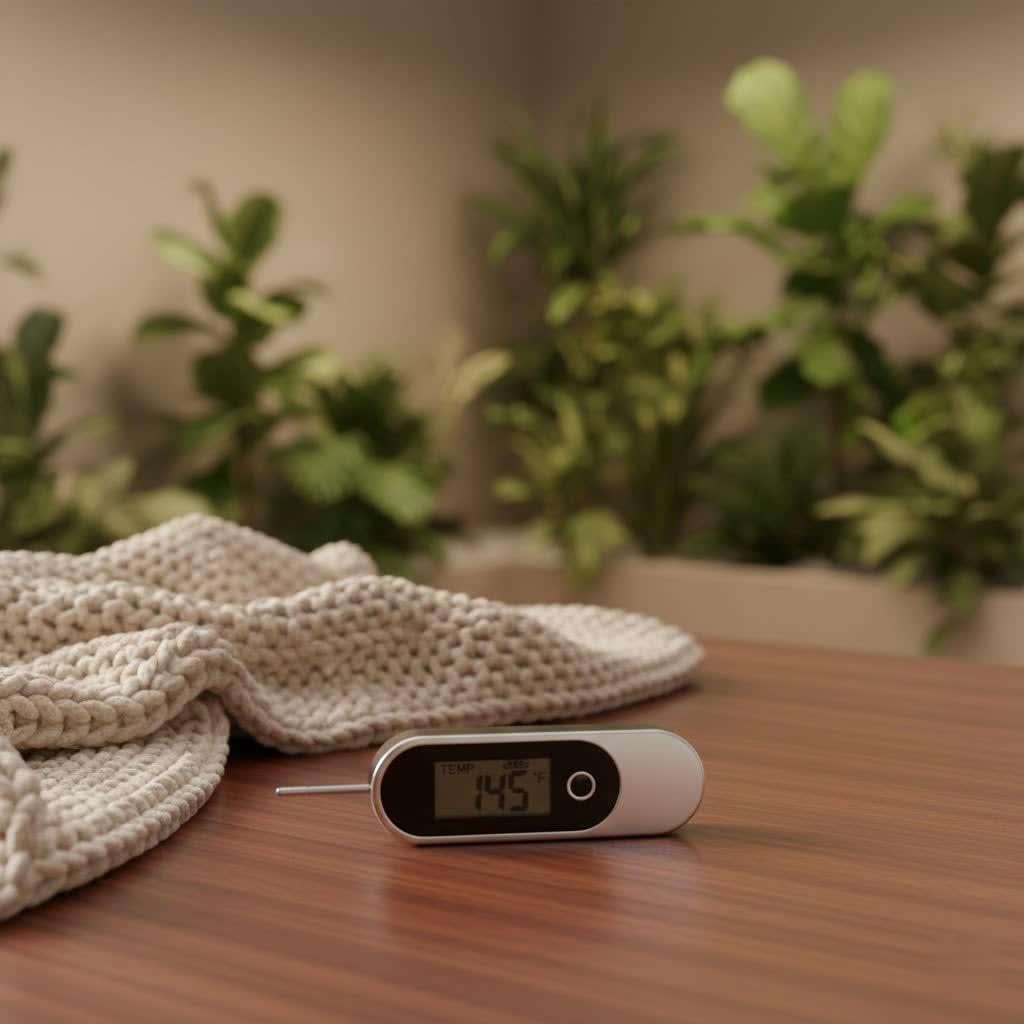
A wireless meat thermometer is exactly what it sounds like: a device that measures the internal temperature of your food and transmits that data wirelessly to a separate receiver or, more commonly these days, an app on your smartphone. No more hovering over a scorching grill or constantly opening the oven door, letting out precious heat. This ingenious gadget typically consists of a heat-resistant probe inserted into your meat, which then sends temperature data via a transmitter. This information is displayed on a dedicated receiver or, for many modern units, a feature-rich smartphone application.
Why is this a game-changer? Imagine hosting a BBQ. Instead of being chained to the grill, you can mingle with guests, knowing your brisket is perfecting itself while you monitor its temperature from across the yard. Or perhaps you’re slow-roasting a turkey for hours; you can relax on the couch, receiving real-time updates and alerts directly to your phone. The freedom, convenience, and unparalleled accuracy offered by a wireless meat thermometer ensure your meats reach ideal doneness every single time, significantly boosting food safety and your culinary confidence.
Unpacking the Different Types of Wireless Meat Thermometers
The world of wireless meat thermometers isn’t one-size-fits-all. Different technologies cater to different needs, ranges, and budgets. Understanding the nuances will help you choose the best culinary companion for your kitchen and grill.
Bluetooth Meat Thermometers
Bluetooth models are often the most accessible entry point into wireless temperature monitoring. They connect directly to your smartphone via a dedicated app, making setup generally straightforward.
- Pros: Usually more affordable than Wi-Fi models, offering excellent value for everyday grilling and oven cooking. Their direct phone pairing simplifies the initial setup, and many apps come packed with features like alerts, cooking presets, and customizable target temperatures.
- Cons: The primary limitation is range. Bluetooth signals can be significantly affected by walls, appliances, and distance, meaning you might need to stay relatively close to your cooking setup. Connection instability can also be an issue during longer cooks if you move out of range.
|
Our Picks for the Best Meat Thermometer in 2026
As an Amazon Associate I earn from qualifying purchases.
|
||
| Num | Product | Action |
|---|---|---|
| 1 | Digital Meat Thermometer, Waterproof Instant Read Food Thermometer for Cooking and Grilling, Kitchen Gadgets, Accessories with Backlight & Calibration for Candy, BBQ Grill, Liquids, Beef, Turkey… |

|
| 2 | Meat Thermometer Digital, Instant Read Meat ThermometerI for Grill and Cooking, Waterproof Food Thermometer for Kitchen and Outside, BBQ, Turkey, Candy, Liquids, Beef |
|
| 3 | Professional 0.5 Sec Instant Read Meat Thermometer Digital, NIST Certified ±0.5℉ Accuracy, Auto Rotate Large LCD Display, Highly Waterproof Cooking Thermometer for Baking Grill BBQ Smoker Oven, Red |
|
| 4 | ThermoMaven Professional Meat Thermometer Digital, Ultra-Fast 0.5 Sec Instant Read, NIST Certified ±0.5°F Accuracy, 100% Waterproof, Auto-Rotating Backlit Display, Lift-to-Wake, for BBQ/Cooking/Candy |
|
| 5 | Meat Thermometer Digital,IP67 Waterproof Thermometer for Cooking with 180° Auto-Rotating LED Display,Fast Instant Read Food thermometers for Grilling, Oven,Candy,Liquids,Beef,BBQ(Black) |
|
| 6 | 0.5s Instant Read Digital Meat Thermometer, Paysean ±0.5℉ with Auto-Rotating Backlit Display, IP67 Waterproof and Calibration for Cooking, Candy, Grilling, BBQ, Liquid, Smoker, Beef |
|
| 7 | Meat Thermometer Digital for Grilling and Cooking - ANDAXIN Waterproof Ultra-Fast Instant Read Food thermometers with Backlight & Calibration for Kitchen, Deep Fry, BBQ, Grill(Red/Black), LCD |
|
| 8 | 0.5 Sec Instant Read Meat Thermometer Digital with ±0.5℉ Precision, Food Thermometer for Cooking Kitchen Gadgets, Oven Grill Candy BBQ Essentials Accessories, Gifts for Him Dad Men Birthday, Red |
|
| 9 | TRAUSI Instant Read Meat Thermometer, Fast & Accurate Digital Food Thermometer with Backlight, Waterproof & Magnet for Grilling, Cooking, BBQ, Smoker, Baking, and Candy Making Blue |
|
| 10 | Alpha Grillers Meat Thermometer Digital - Instant Read Food Thermometer for Cooking and Grilling Gifts for Men Valentines Day Gifts for Him Her Mom Dad |
|
Wi-Fi Meat Thermometers
For those who crave extended freedom, Wi-Fi smart thermometers are the answer. These devices often connect to your home Wi-Fi network, giving you a much greater monitoring range—potentially from anywhere with an internet connection.
- Pros: Unbeatable range. As long as your thermometer’s base station is connected to your home Wi-Fi, you can monitor your cook from virtually anywhere, even away from home with cloud integration. They often offer advanced app features, data logging, and more robust connectivity for long cooking sessions.
- Cons: Typically come with a higher price tag. The setup can be a bit more involved, requiring connection to your home network, and stable Wi-Fi is, of course, a prerequisite.
Fully Wireless Probes (Truly Wire-Free)
Brands like MEATER and MeatStick pioneered the truly wire-free probe. These probes contain all the necessary sensors and a miniature transmitter within the probe itself, eliminating any external wires.
- Pros: Ultimate convenience and flexibility. No wires to tangle, trip over, or worry about melting. They often feature multiple internal sensors to gauge the meat’s temperature at various points, plus an ambient sensor in the handle to monitor the cooker’s temperature. They are perfect for rotisserie, deep frying, or any situation where wires would be a hindrance.
- Cons: The wireless signal from a small, in-meat probe can sometimes be less robust than systems with external transmitters, especially within metal ovens or smokers. Battery life is typically limited and requires recharging after each use. Some users also report challenges with cleaning residue off the probe’s handle, which can interfere with charging or connectivity.
Hybrid Systems (Wired Probe to Base, then Wireless to App)
Some systems combine the best of both worlds, using a traditional wired probe that plugs into a base unit, which then wirelessly transmits data to a receiver or app.
- Pros: Often offer very reliable connections and impressive range from the base unit to the receiver/app. The wired probe is generally thinner and more robust for consistent temperature readings. Some models can monitor multiple probes simultaneously.
- Cons: While the receiver is wireless, you still have wires connecting the probes to the base unit, limiting movement of the base.
Mastering Your Wireless Meat Thermometer: Proper Usage Techniques
Having the right tool is only half the battle; knowing how to use it is where true mastery lies. With a wireless meat thermometer, proper usage ensures you get the most accurate readings and consistently delicious results.
Prepping for Precision
Before you even think about piercing your prime rib, a few simple steps can make all the difference:
- Read the Manual: This might sound obvious, but every smart thermometer has unique features and specific instructions. A quick read-through can prevent headaches later.
- Clean the Probes: Always wash your probes with warm, soapy water and dry them thoroughly before and after each use. This is crucial for food safety and preventing cross-contamination.
- Check Battery Levels: Ensure both your transmitter/base unit and your smartphone (if using an app) are sufficiently charged to avoid interruptions mid-cook.
- Pair Your Device: Follow the manufacturer’s instructions to pair your thermometer with its receiver or smartphone app. This usually involves activating Bluetooth/Wi-Fi and selecting the device from your app.
The Art of Probe Placement
This is perhaps the most critical step for accurate readings. Incorrect probe placement can lead to wildly inaccurate temperatures, making all other efforts moot.
- General Rule: Always insert the probe into the thickest part of the meat. Critically, avoid touching any bones, large pockets of fat, or gristle, as these conduct heat differently and can skew your readings significantly.
- Whole Poultry (Chicken, Turkey): For poultry, aim for the thickest part of the breast or the innermost portion of the thigh, ensuring the tip doesn’t touch the bone.
- Steaks or Chops: For thinner cuts, insert the probe horizontally from the side, aiming for the absolute center of the meat, parallel to your cutting board.
- Large Roasts or Briskets: For substantial cuts, insert the probe into the densest part of the meat, about 1-2 inches away from fat deposits or bones. For very large cuts, using multiple probes in different locations can provide a more comprehensive picture of doneness.
Connecting and Monitoring
Once your probe is correctly placed, the magic happens. Your app will typically display real-time temperatures, allow you to set target temperatures based on meat type and desired doneness, and trigger alarms when your food is ready. Many apps also offer estimated cook times and cooking graphs, giving you an unparalleled level of control and insight.
Understanding Carryover Cooking
Here’s a pro tip that elevates good cooking to great: meat continues to cook even after it’s removed from the heat source. This is called “carryover cooking” or “resting.” For larger cuts, the internal temperature can rise by an additional 5-10°F (or even more) during this resting period. To account for this, remove your meat from the heat a few degrees before it reaches your target internal temperature. This resting phase also allows the juices to redistribute, resulting in a more tender and flavorful dish.
The Cornerstone of Safe Cooking: Recommended Internal Temperatures
Food safety is paramount. Overlooking proper cooking temperatures can lead to foodborne illnesses. Your wireless meat thermometer is your best defense. Here’s a quick guide to USDA-recommended safe internal temperatures:
| Meat Type | Minimum Safe Internal Temperature | Resting Time |
|---|---|---|
| Beef, Pork, Veal, Lamb (Roasts, Steaks, Chops) | 145°F (63°C) | 3 minutes |
| Ground Meats (Beef, Pork, Veal, Lamb) | 160°F (71°C) | None |
| All Poultry (Whole, Parts, Ground) | 165°F (74°C) | None (for pieces/ground), 3 minutes (for whole) |
| Fish | 145°F (63°C) | None |
| Casseroles & Leftovers | 165°F (74°C) | None |
*Note: For beef, pork, veal, and lamb, lower temperatures can be achieved for rare/medium-rare doneness, but always consult reliable charts and ensure you understand the risks. Advanced thermometers like Combustion’s Predictive Thermometer can even calculate safety based on time-at-temperature, offering more precise doneness without overcooking just to be safe.
Factors Influencing Wireless Meat Thermometer Accuracy
Even with the best equipment, several factors can affect the accuracy of your readings:
- Probe Placement: As discussed, improper insertion (hitting bone or fat) is the number one culprit for inaccurate readings.
- Calibration: While many modern smart thermometers are self-calibrating, some may require occasional manual checks to ensure optimal accuracy. A simple ice-water bath (32°F/0°C) or boiling water test (212°F/100°C at sea level) can verify accuracy.
- Signal Interference and Range: Bluetooth signals, especially, can be blocked by metal, thick walls, or distance. Wi-Fi models generally offer better range but still rely on a stable network.
- Ambient Temperature Impact: For fully wireless probes that sense both internal meat temperature and ambient cooking temperature, extreme ambient temperatures or rapid fluctuations can sometimes temporarily affect the ambient sensor’s reading.
- Quality of Device: Like any tool, the quality of materials and manufacturing plays a role. Investing in a reputable brand often translates to more consistent and accurate performance.
Keeping Your Culinary Companion Pristine: Care and Maintenance Tips
A well-cared-for wireless meat thermometer will serve you reliably for years.
- Cleaning Probes: Always clean probes immediately after use. Most stainless steel probes can be washed with warm, soapy water. Check your manual; some are even dishwasher safe, while others, particularly those with embedded electronics, require hand-washing. Avoid submerging the entire probe or the handle in water unless specifically stated as waterproof.
- Battery Management: For rechargeable models, follow manufacturer guidelines for charging. Don’t leave batteries depleted for extended periods. For models using disposable batteries, remove them if the thermometer won’t be used for a long time to prevent corrosion.
- Proper Storage: Store your wireless meat thermometer and its components in a clean, dry place. Many come with protective cases or charging docks that double as storage. Keep probes safe from bending or damage.
Troubleshooting Common Wireless Meat Thermometer Issues
Even the most advanced gadgets can have hiccups. Here are quick fixes for common issues:
- Connection Keeps Dropping:
- Solution: Move the receiver/smartphone closer to the base unit or cooking area. Ensure there are no major obstructions (like thick walls or metal objects) between the transmitter and receiver. For Bluetooth, try re-pairing the device. For Wi-Fi, check your router’s signal strength.
- Temperature Reading Seems Off:
- Solution: Double-check probe placement – is it in the thickest part, away from bone or fat? Try calibrating the thermometer if possible (ice bath test). Ensure the probe is fully inserted to the minimum insertion mark.
- App Notifications Aren’t Working:
- Solution: Check your phone’s notification settings for the thermometer app. Ensure notifications are enabled and the app has necessary permissions. Make sure your phone isn’t in “Do Not Disturb” mode.
- Probe Not Charging (for fully wireless probes):
- Solution: Clean the contact points on both the probe and the charging dock. Sometimes, smoke residue or grease can create an insulating layer, preventing a proper charge. Ensure the probe is seated correctly in its charging bay.
Frequently Asked Questions (FAQ)
How far can I go from my grill with a wireless thermometer?
The range varies significantly by type. Bluetooth models typically offer a range of 50-150 feet, which can be impacted by obstructions. Wi-Fi models, especially those with cloud integration, offer an almost unlimited range, allowing you to monitor from anywhere with an internet connection. RF models can also offer a long range, sometimes up to 350 feet or more.
Are wireless meat thermometers safe to leave in the oven?
Yes, most wireless meat thermometers are designed to be oven-safe. The probe itself is typically made of high-heat resistant stainless steel and ceramic. Always check the manufacturer’s specifications for maximum temperature ratings, especially for the probe’s handle or the wires on hybrid models.
Can I use a wireless thermometer for deep frying?
Many fully wireless probes are suitable for deep frying, as they eliminate the risk of wires getting tangled or damaged by hot oil. However, always verify the probe’s maximum temperature rating to ensure it can withstand the high heat of frying oil, which can exceed 350°F (175°C).
How often should I calibrate my wireless meat thermometer?
While many modern smart thermometers claim self-calibration, it’s a good practice to check its accuracy periodically, perhaps every few months or if you suspect an incorrect reading. An ice-water bath (32°F/0°C) is a simple and effective way to do this at home.
What’s the difference between Bluetooth and Wi-Fi models?
The main difference is connectivity range and network dependency. Bluetooth connects directly to your phone over a shorter distance and is more susceptible to interference. Wi-Fi connects to your home network, offering a much greater, often “unlimited” range, but requires a stable Wi-Fi signal.
Cook with Confidence, Every Time
From my years in the culinary trenches, I can confidently say that a wireless meat thermometer is one of the most impactful upgrades you can make to your cooking arsenal. It’s more than just a gadget; it’s a commitment to precision, food safety, and ultimately, to enjoying perfectly cooked meals without the stress.
By understanding the different types, mastering proper probe placement, and following simple care guidelines, you’ll unlock a new level of culinary freedom and confidence. No more guessing, no more dry roasts, no more anxious hovering. Just consistently delicious, safely cooked meat, every single time. So, go ahead, embrace the future of cooking and let your wireless meat thermometer be your guide to culinary excellence. For more in-depth guides, expert reviews, and all things meat thermometers, keep JXSRW.com as your trusted culinary resource!
