Welcome to JXSRW.com, where we turn culinary questions into confident kitchen expertise! As someone who’s spent over 15 years navigating the ins and outs of cooking with precision, I can tell you that few tools revolutionize your kitchen experience quite like a reliable Instant Read Meat Thermometer. It’s not just a gadget; it’s your trusty sidekick for ensuring every dish you create is perfectly cooked and, more importantly, perfectly safe. Forget the guesswork, the anxious peeking, and the dreaded overcooked dry chicken. With an instant read meat thermometer in hand, you’re stepping into a world where culinary perfection is within reach for every home cook.
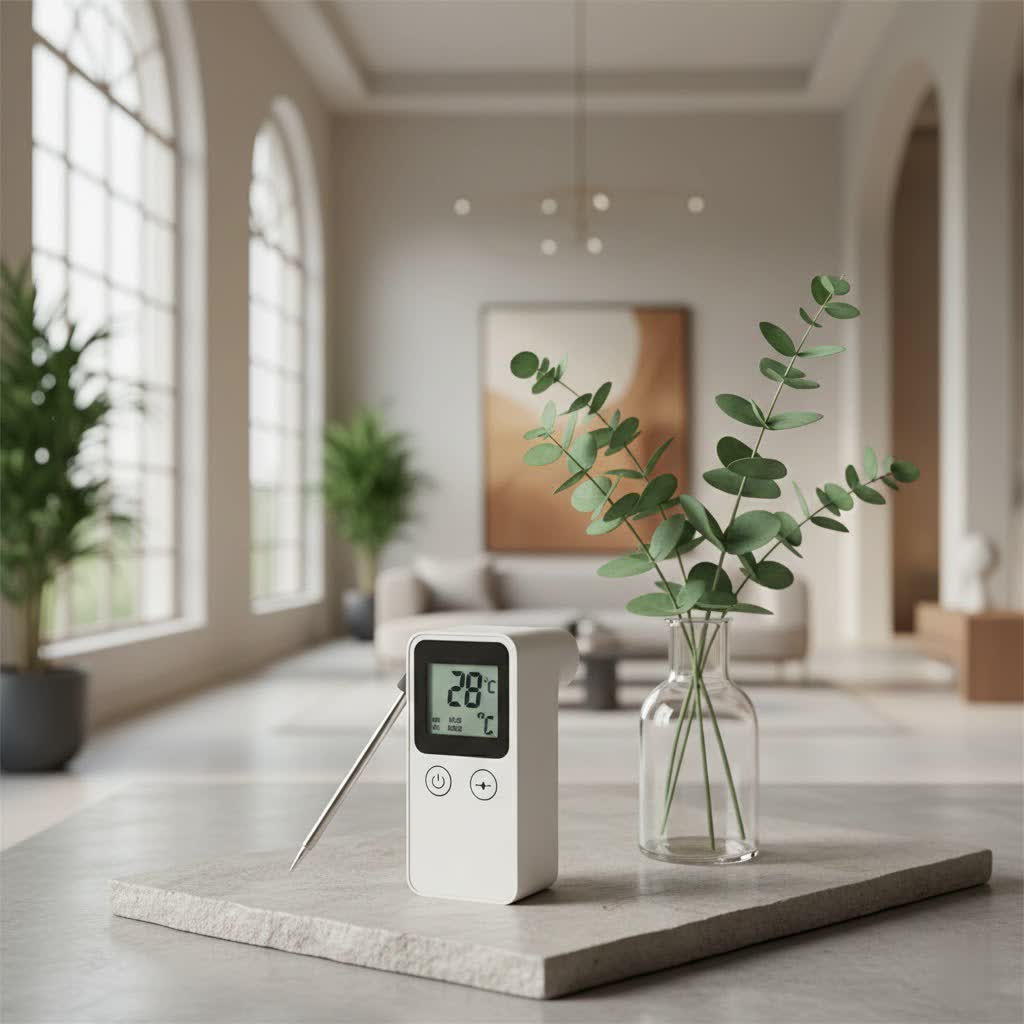
In this comprehensive guide, we’re going to dive deep into everything you need to know about this indispensable kitchen tool. From understanding what makes an instant read meat thermometer tick to mastering its use for various cuts of meat, ensuring food safety, and keeping it in prime condition for years to come. Let’s make you a master of your meat!
What is an Instant Read Meat Thermometer and Why Do You Need One?
An instant read meat thermometer is exactly what it sounds like: a device designed to give you a quick and accurate temperature reading of your food’s internal temperature, typically within 2-5 seconds. Unlike older, slower dial thermometers or even some oven-safe probe thermometers, these nimble devices offer near-immediate feedback, making them ideal for quick checks on steaks, burgers, chicken breasts, or roasts taken off the heat.
So, why is this speed so crucial? Imagine grilling a thick steak or searing a pork chop. You need to know the exact moment it hits that perfect medium-rare or medium-done. Lingering with a slow thermometer means losing precious heat, overcooking the exterior while waiting for the core reading, or worse, undercooking and risking foodborne illness. An instant read meat thermometer provides that critical snapshot in time, allowing you to react quickly and pull your food at precisely the right moment. It’s the ultimate tool for both culinary excellence and paramount food safety.
While many types of meat thermometers exist, the instant read meat thermometer truly shines for its versatility. It’s fantastic for pan-searing, grilling, deep-frying, and even checking the temperature of baked goods or custards. Where a “leave-in” probe thermometer monitors temperature over time in an oven or smoker, your instant-read is for those decisive, quick checks that bring confidence to your cooking.
How to Use Your Instant Read Meat Thermometer Like a Pro
Using an instant read meat thermometer effectively is straightforward, but a few pro tips can make all the difference. Think of it as a dance: swift, precise, and knowing exactly where to place your steps.
Getting Started: Preparation is Key
|
Our Picks for the Best Meat Thermometer in 2026
As an Amazon Associate I earn from qualifying purchases.
|
||
| Num | Product | Action |
|---|---|---|
| 1 | 0.5 Sec Instant Read Meat Thermometer Digital with ±0.5℉ Precision, Food Thermometer for Cooking Kitchen Gadgets, Oven Grill Candy BBQ Essentials Accessories, Gifts for Him Dad Men Birthday, Red |

|
| 2 | TRAUSI Instant Read Meat Thermometer, Fast & Accurate Digital Food Thermometer with Backlight, Waterproof & Magnet for Grilling, Cooking, BBQ, Smoker, Baking, and Candy Making Blue |
|
| 3 | Professional 0.5 Sec Instant Read Meat Thermometer Digital, NIST Certified ±0.5℉ Accuracy, Auto Rotate Large LCD Display, Highly Waterproof Cooking Thermometer for Baking Grill BBQ Smoker Oven, Red |
|
| 4 | Digital Meat Thermometer, Waterproof Instant Read Food Thermometer for Cooking and Grilling, Kitchen Gadgets, Accessories with Backlight & Calibration for Candy, BBQ Grill, Liquids, Beef, Turkey… |
|
| 5 | Alpha Grillers Meat Thermometer Digital - Instant Read Food Thermometer for Cooking and Grilling Gifts for Men Valentines Day Gifts for Him Her Mom Dad |
|
| 6 | Meat Thermometer Digital for Grilling and Cooking - ANDAXIN Waterproof Ultra-Fast Instant Read Food thermometers with Backlight & Calibration for Kitchen, Deep Fry, BBQ, Grill(Red/Black), LCD |
|
| 7 | 0.5s Instant Read Digital Meat Thermometer, Paysean ±0.5℉ with Auto-Rotating Backlit Display, IP67 Waterproof and Calibration for Cooking, Candy, Grilling, BBQ, Liquid, Smoker, Beef |
|
| 8 | Meat Thermometer Digital, Instant Read Meat ThermometerI for Grill and Cooking, Waterproof Food Thermometer for Kitchen and Outside, BBQ, Turkey, Candy, Liquids, Beef |
|
| 9 | ThermoMaven Professional Meat Thermometer Digital, Ultra-Fast 0.5 Sec Instant Read, NIST Certified ±0.5°F Accuracy, 100% Waterproof, Auto-Rotating Backlit Display, Lift-to-Wake, for BBQ/Cooking/Candy |
|
| 10 | Meat Thermometer Digital,IP67 Waterproof Thermometer for Cooking with 180° Auto-Rotating LED Display,Fast Instant Read Food thermometers for Grilling, Oven,Candy,Liquids,Beef,BBQ(Black) |
|
Before you even touch your meat, ensure your thermometer is ready. If it’s digital, check the battery – nothing’s worse than a dead thermometer mid-cook! A quick wipe down of the probe with an antibacterial wipe or hot, soapy water before and after each use is essential for hygiene. Remember, we’re aiming for perfect and safe.
Where to Insert the Probe: Finding the Sweet Spot
This is perhaps the most critical step. For an accurate reading, always insert the thin tip of your instant read meat thermometer into the thickest part of the meat. Critically, avoid touching bone, gristle, or large pockets of fat, as these can give you inaccurate temperature readings.
- For larger cuts (roasts, whole chicken/turkey): Insert the probe deep into the thickest part of the muscle, ensuring the tip is in the center. For poultry, this often means the thickest part of the thigh or breast, away from the bone.
- For thinner cuts (steaks, chops, fish fillets): Insert the thermometer horizontally from the side, aiming for the very center of the cut.
- For ground meats (burgers, meatloaf): Again, aim for the center, either from the top or side, ensuring the tip isn’t protruding through the other side.
Reading the Temperature: Patience for a Few Seconds
Once inserted, hold your instant read meat thermometer steady. Give it a few seconds – typically 2-5 – for the reading to stabilize on the digital display. For larger cuts, take readings in a couple of different spots to ensure even cooking throughout. The lowest temperature you find is generally the one you should trust for safety.
Understanding Carry-Over Cooking: The Culinary Secret
Here’s a trick I’ve learned over many years: meat continues to cook even after it’s removed from the heat source. This is called “carry-over cooking” or “residual heat.” For most meats, the internal temperature can rise by an additional 5-10 degrees Fahrenheit after resting. This means you should aim to pull your meat off the heat a few degrees below your target doneness. For instance, if you want a steak to finish at 135°F for medium-rare, pull it at around 130°F. Resting also allows the juices to redistribute, resulting in a more tender and flavorful meal.
The Essential Temperature Chart: Ensuring Food Safety and Deliciousness
Cooking to the correct internal temperature is not just about taste; it’s about preventing foodborne illness. The U.S. Department of Agriculture (USDA) provides clear guidelines for safe minimum internal temperatures. Always use your instant read meat thermometer to verify these temperatures.
Here’s a quick reference chart to keep handy:
| Food Type | Minimum Internal Temperature | Rest Time Required |
|---|---|---|
| Beef, Pork, Veal, Lamb | ||
| Steaks, Chops, Roasts | 145°F (63°C) | 3 minutes |
| Ground Meats | 160°F (71°C) | Not required |
| Poultry | ||
| Whole Bird, Parts, Ground | 165°F (74°C) | Not required |
| Fish & Shellfish | 145°F (63°C) | Not required |
| Leftovers & Casseroles | 165°F (74°C) | Not required |
Remember: While some recipes might suggest lower temperatures for desired doneness (like rare steak), the USDA guidelines are for minimum safety. Always consider your preference alongside safety.
The “Danger Zone”: A Crucial Concept
Another vital piece of food safety knowledge is the “Danger Zone.” This refers to the temperature range between 40°F (4°C) and 140°F (60°C) where bacteria multiply most rapidly. Foods should not be left in this zone for more than two hours (or one hour if the ambient temperature is above 90°F / 32°C). Your instant read meat thermometer helps you quickly verify that your food moves through this zone safely and reaches its safe final cooking temperature.
Maximizing Accuracy: Tips from a Seasoned Expert
Accuracy is paramount when it comes to an instant read meat thermometer. A few degrees off can mean the difference between perfectly juicy and disappointingly dry, or worse, a health risk.
Calibrating Your Instant Read Meat Thermometer
Even the best thermometers can drift slightly over time. I always recommend a simple ice water bath test to ensure accuracy.
- Fill a glass with crushed ice and then top it off with cold water. Stir gently.
- Insert your thermometer probe into the center of the ice water, making sure the tip isn’t touching the bottom or sides of the glass.
- Wait for the reading to stabilize. A properly calibrated thermometer should read 32°F (0°C).
- If your thermometer is adjustable and reads differently, follow the manufacturer’s instructions to recalibrate it. If it’s not adjustable and consistently off by more than 2-3 degrees, it might be time for a new one.
As my colleague, Chef Amelia Jensen often says, “A well-calibrated thermometer is the chef’s most honest critic. It tells you the truth, every time.”
Common Mistakes to Avoid
- Hitting Bone or Fat: As mentioned, these can conduct heat differently and give you a false high reading. Always aim for pure muscle.
- Too Shallow Insertion: If the probe isn’t deep enough, you’re only measuring the surface temperature, not the core.
- Not Waiting for Stability: A few seconds might feel long when you’re hungry, but it’s crucial for the most accurate reading.
- Using it as a “Leave-In”: Remember, instant read meat thermometers are for quick checks, not for staying in the oven during cooking. This can damage the thermometer and give inaccurate readings due to prolonged high heat exposure.
Care, Cleaning, and Troubleshooting Your Instant Read Meat Thermometer
To ensure your instant read meat thermometer serves you faithfully for years, proper care and maintenance are essential.
Cleaning Best Practices
The probe is the part that comes into contact with food, so it needs thorough cleaning.
- After Each Use: Wipe the probe with hot, soapy water and rinse thoroughly. You can also use an antibacterial wipe. For a deeper clean and sterilization, insert only the metal stem into boiling water for a few minutes.
- Do Not Immerse: Most instant read meat thermometers are not designed to be fully immersed in water. The electronic housing is sensitive to moisture. Clean the body of the thermometer with a damp cloth, avoiding abrasive cleaners or harsh chemicals like citrus juices, which can damage the casing.
- Stubborn Residue: If you have cooked-on residue, let the probe soak for a few minutes in hot, soapy water before gently scrubbing.
Storage Tips
Always ensure your thermometer is clean and dry before storing it. Many instant read meat thermometers come with a protective sleeve or a magnetic back for easy storage on your fridge or a knife block. Proper storage prevents damage and keeps the probe clean.
Battery Replacement
Most digital instant read meat thermometers use small button-cell batteries (like LR44 or CR2032). If your display dims or the readings become erratic, it’s usually a sign to replace the battery. Always refer to your thermometer’s manual for the correct battery type and replacement instructions.
Troubleshooting Common Issues
- Inaccurate Readings: First, perform an ice water calibration test. If it’s consistently off and not adjustable, consider replacement.
- Slow Readings: A weak battery can sometimes cause slower response times. Try replacing the battery.
- No Display: Check the battery. If new batteries don’t fix it, the internal electronics might be damaged, possibly from water exposure or a fall.
Frequently Asked Questions About Instant Read Meat Thermometers
Q1: Can I leave my instant-read thermometer in the oven while cooking?
No, an instant read meat thermometer should never be left in the oven, grill, or smoker during cooking. These devices are designed for quick spot-checks and the prolonged high heat can damage their internal components, leading to inaccurate readings or complete failure. For continuous monitoring, use a leave-in probe thermometer.
Q2: How often should I calibrate my instant read meat thermometer?
It’s a good practice to calibrate your instant read meat thermometer every few months, or if you suspect it’s giving inaccurate readings, or after it has taken a fall. The ice water bath method is a simple and effective way to check its accuracy.
Q3: What’s the main difference between an instant-read and a digital probe thermometer?
An instant read meat thermometer provides very fast, on-the-spot readings and is used for quick checks. A digital probe thermometer (often called a leave-in thermometer) has a probe connected by a heat-resistant wire to a display unit, allowing it to stay in the meat during cooking for continuous monitoring, often with alarms for target temperatures.
Q4: Is it okay to poke meat multiple times with an instant read meat thermometer?
Absolutely! Poking meat multiple times with a thin-probe instant read meat thermometer will not significantly cause juices to escape. In fact, for larger cuts, taking multiple readings in different spots ensures you get an accurate average temperature, guaranteeing even doneness and safety.
Q5: How do I properly clean my instant read meat thermometer?
To clean your instant read meat thermometer, wipe the probe with hot, soapy water or an antibacterial wipe after each use. For sterilization, you can dip just the metal probe into boiling water for a few minutes. Never immerse the entire thermometer body in water, as this can damage the electronic components.
Q6: What is the “danger zone” for food temperatures?
The “danger zone” for food temperatures is between 40°F (4°C) and 140°F (60°C). Within this range, harmful bacteria can grow rapidly. It’s crucial to ensure food passes through this zone quickly during cooking and cooling to prevent foodborne illness. Your instant read meat thermometer helps you monitor this.
Elevate Your Cooking with Confidence
There you have it – the comprehensive lowdown on the instant read meat thermometer. After years in the kitchen, I truly believe this is one of the most impactful tools you can add to your culinary arsenal. It removes the stress of under or overcooking, elevates the flavor and texture of your dishes, and most importantly, guarantees food safety for you and your loved ones. So, go ahead, embrace the power of precision. With your instant read meat thermometer, you’re not just cooking; you’re crafting culinary masterpieces with unwavering confidence.
For more expert tips, in-depth reviews, and guides that simplify complex kitchen techniques, keep exploring jxsrw.com. We’re here to help you cook smarter, safer, and with more joy!
